


En
En
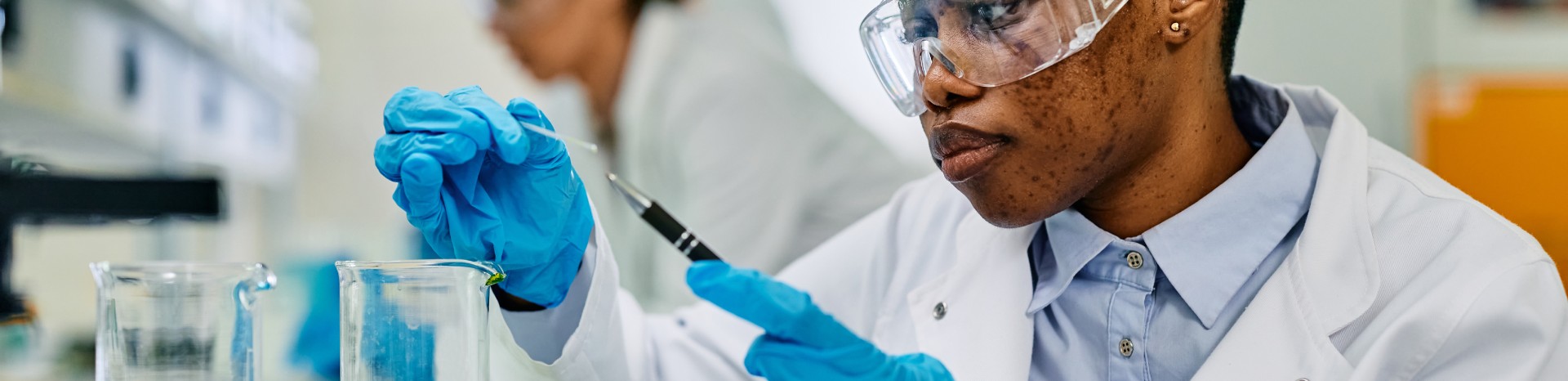
The Brazilian planted tree industry is a remarkable example of how a traditional sector can reinvent itself through continuous innovation in all phases of operations, from planting to after its products are used. Far from just a source of raw material for pulp and paper, this industry embraces digital transformation and sustainability in an integrated manner, applying cutting-edge technologies that not only improve its processes but also redefine the future of the forest-based production chain.
This trajectory of continuous innovation is reflected throughout the entire chain, from sophisticated planting techniques to final applications of products, which include circular economy practices that transform waste into new opportunities for value. This approach not only keeps the industry competitive, but also makes it a global reference for sustainability and applied technology. It works closely with startups, universities and technology centers. Digital transformation, combined with the relentless pursuit of improvements, makes the planted tree sector a living example of how tradition can serve as a foundation for the future, when combined with a bold and innovative vision.

Photo: Melhoramentos
Innovation begins at planting, when advanced clone selection and crop monitoring technologies are applied to ensure more resilient and productive forests. Artificial intelligence and machine learning are used for real-time adjustments to operations in the field, optimizing machinery maintenance and improving soil management and irrigation. Collecting environmental data and using sensors permits rapid interventions, making processes more precise and minimizing environmental impacts.
Sustainable land management is another area where innovation is crucial. Companies in the sector use advanced technologies to monitor biodiversity in their plantations, utilizing databases that analyze sounds and images to identify and protect local fauna. These initiatives not only help preserve the ecological balance, but also provide valuable data that informs more sustainable management practices in line with the demands of environmental conservation.

In factories, digitalization is a fundamental pillar. Sensors spread throughout the facilities essentially create large monitoring centers that can detect flaws and predict the need for adjustments to maximize production efficiency and operational safety. This high-tech approach not only guarantees productivity but also ensures continued high standards of sustainability, with energy self-sufficiency and intelligent waste management as priorities. Forest by-products are converted into bioenergy or transformed into fertilizer, promoting a truly circular economy and reducing dependence on non-renewable resources.
Another notable innovation is the use of artificial intelligence to redouble employee safety and precautions. One manufacturer in the forestry sector has placed cameras utilizing artificial intelligence into the cabs of its trucks. This system is connected to 24-hour monitoring, with the AI generating alerts if the drivers are tired, drowsy or distracted. The cameras also talk to the drivers, telling them to take a break when necessary, for example. Monitoring teams also record these alerts and take the appropriate measures.
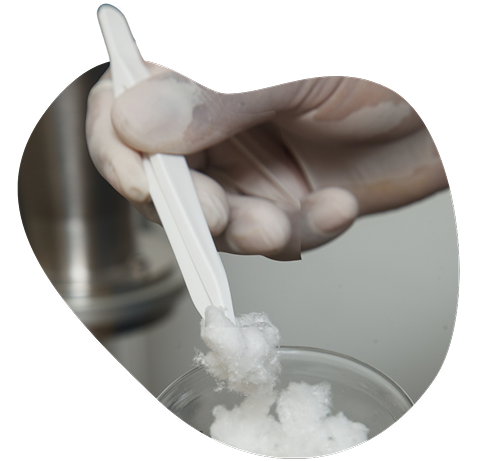
Photo: Suzano
In products, investments in research and innovation are making it possible to develop new materials and technologies that are changing the industrial landscape. Soluble cellulose, for example, is one of such solution that paves the way towards the future, offering a sustainable alternative to fossil-based materials. This highly pure and versatile raw material is used in a wide range of industries from textiles to pharmaceuticals, providing a renewable and environmentally responsible foundation for countless applications.
Another innovative highlight in the sector is the development of super-materials such as nanocellulose: its unique properties make it stronger than steel, lightweight, waterproof and biodegradable. It comes in multiple forms that allow innovative applications. Crystalline nanocellulose is transparent and conducts electricity, making it ideal to produce cell phone screens, while microfibrillated cellulose can be used to make textiles in processes that utilize less water and chemicals. Nanofibrillated nanocellulose, with its low water absorption capacity, is also used in gas barriers, cosmetics and even biomedicine.
Lignin is another biomaterial with significant potential and is redefining the use of forest waste. Traditionally used to generate energy, this molecule has shown promise as a substitute for petroleum derivatives in various applications. Use of lignin in concrete additives, aircraft components and auto parts demonstrates how wood can offer more sustainable and recyclable solutions that are in line with the principles of the circular economy, reducing dependence on non-renewable resources. Furthermore, bio-oils derived from lignin can be used in energy generation, as fuel additives or as fuels themselves, providing even more versatility to the sector.
Learn about new applications.
Collaboration with universities and startups, along with the use of cutting-edge technologies like high-resolution satellite images, augmented reality, biorefineries and near-infrared spectroscopy (NIRS) reinforce the sector’s ability to adapt quickly and find solutions to global challenges. These partnerships and initiatives ensure that innovation not only improves efficiency and productivity, but also creates shared value with local communities, promoting an open and transparent dialog with society.
Joint work with startups is another route toward innovation within the sector. Klabin has invested in the Israeli startup Melodea. The goal of this partnership is to use nanocellulose to replace plastic or aluminum moisture barriers in milk and juice packaging, making it more recyclable and biodegradable. And Suzano is constructing a commercial plant in partnership with the Finnish company Spinnova to develop textile fibers from microfibrillated cellulose, which could reduce use of water and chemicals by up to 90%.
This commitment to innovation is a direct response to the expectations of modern society, which is looking for sustainable products and solutions with less environmental impact. Forestry companies are continually incorporating the latest technologies into their processes, whether they are developed in-house or adapted from global best practices. This is more proof that in spite of its historical roots, the planted tree sector is always looking to the future.
 Home
Home
