


En
En
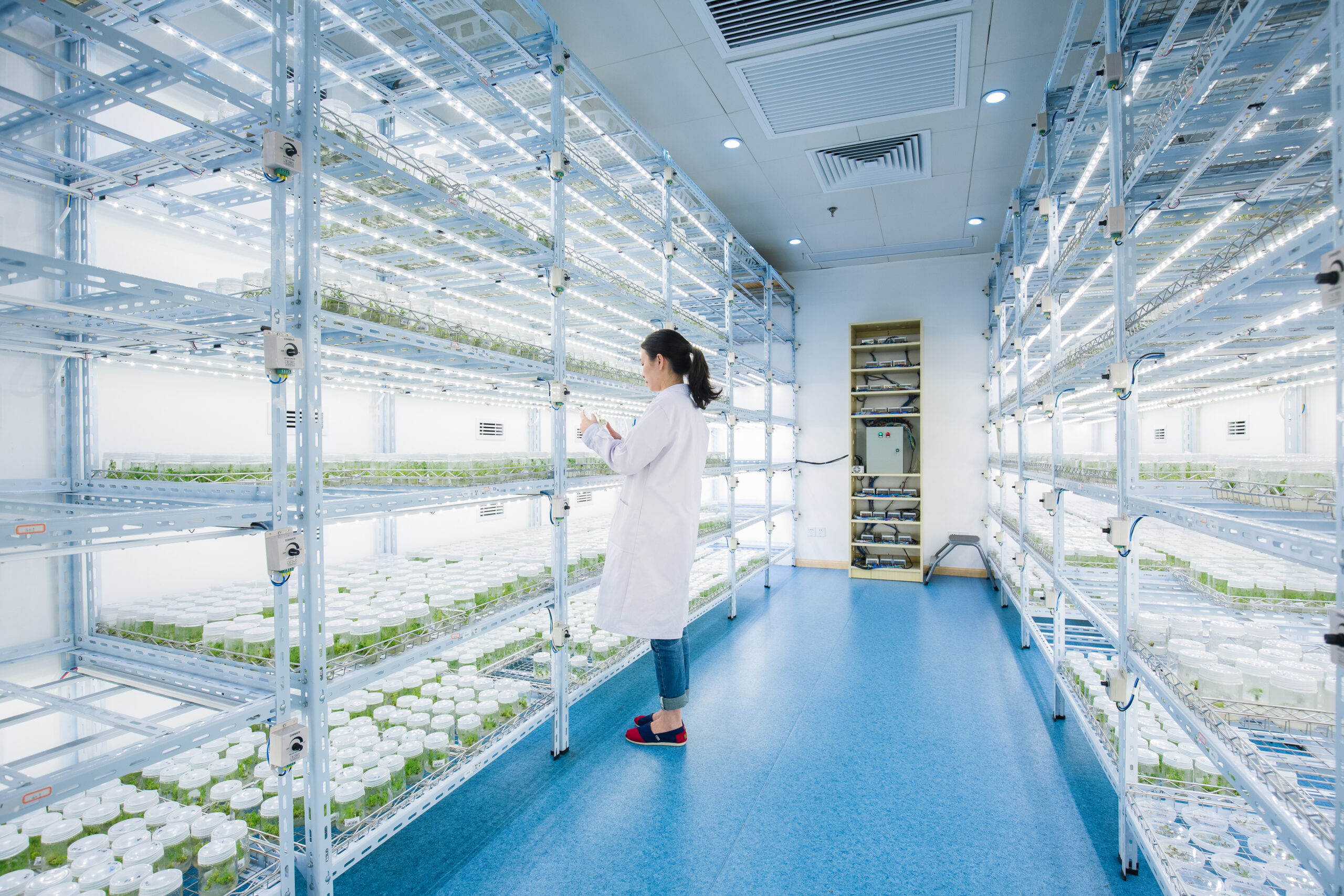
Brazil’s planted tree industry stands out for its innovation aimed at the green economy, developing solutions that directly help replace fossil-based products. With a large-scale model of the bioeconomy, the sector adopts an integrated, systemic and circular approach, from the planting of trees to post-use of its products, generating significant climate benefits.
Every day 1.8 million trees are planted, the origin of a growing variety of renewable bioproducts that include cellulose pulp, books, notebooks, clothing, pulp, paper, packaging, toilet paper, diapers, wood panels, viscose fabric and laminate flooring. These products, which are part of everyday life for all Brazilians, effectively replace those from fossil sources, providing environmental and economic advantages. In addition to traditional items like furniture and cellulose, the sector is also at the forefront of innovations in bioenergy, textiles, pharmaceuticals, cosmetics, food and many other segments, paving the way for a sustainable future.
With these innovations, technology and science, trained professionals are working together to provide solutions that combine quality with sustainability. Alternatives are being developed from planted trees that absorb and store carbon dioxide, helping to mitigate environmental and climate impacts. In this way, the planted tree industry not only meets market demands but also plays a key role in building a more sustainable and conscious future. The transformation of these materials and by-products demonstrates the enormous potential of planted trees, which are helping to build a path towards a greener and more sustainable world.
 Home
Home
