


En
En

The first papers to appear in history were used for writing. With the development of printing, they became useful for disseminating ideas.
Technology has refined the use of paper today it is classified into different categories that include newsprint, coated and uncoated paper for books, magazines and other publications, and writing and printing paper.
Depending on their application, these papers may require certain characteristics, such as resistance to folding, water, light or heat. They may need to remain stiff when bent, or resist permeability to grease and water vapor, for example.
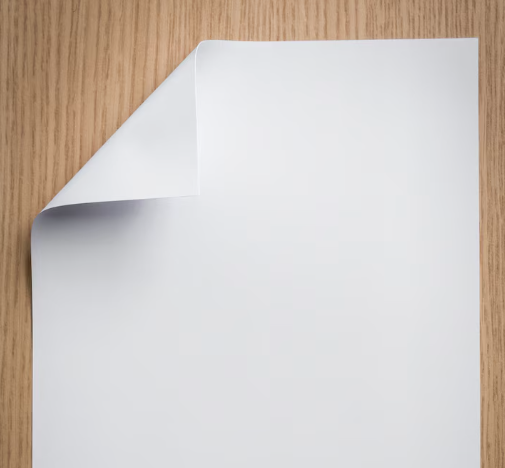
Offset paper

White paper with no surface coating. Its resistance and uniformity guarantee good printing results. It is widely used to print promotional materials (like fliers, leaflets and posters), folders, notebooks, diaries, envelopes, pads, calendars and bank statements, for example.


Coated paper
Coated paper (sometimes called couché, from the French) has an offset base that is coated on one or both sides to make its surface smooth and even. It is used in the printing market due to its high print quality.
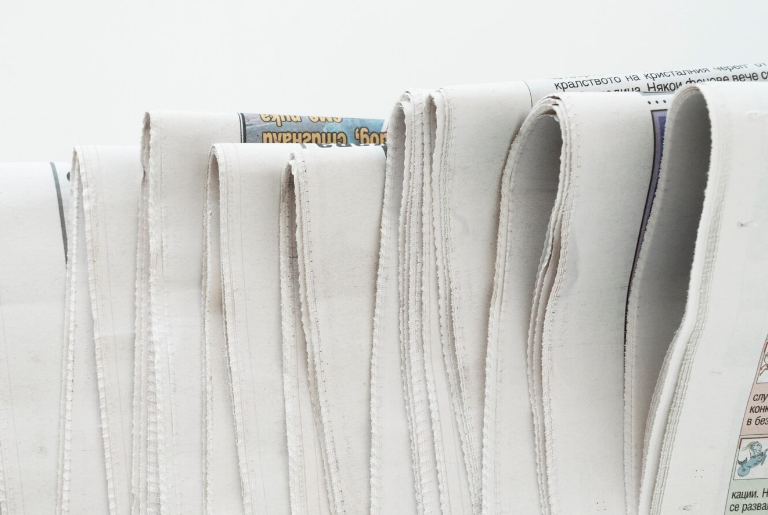
Newsprint paper
Paper used for printing newspapers, often grayish in color due to the type of fibers used in production. Brazil imports large volumes of newsprint.

Printing paper
Paper similar to newsprint used in various commercial printing applications. It can vary in grammage and have a smooth or glossy surface.

LWC (lightweight coated) paper
Light grammage and coated on both sides. The calendering process makes LWC shiny and smooth. It is generally used for high print run applications.

Cut-size paper
Uncoated paper also known as bond paper, mainly sold in A4 (210x297mm) and Letter (216x279mm) formats. Used in offices and factories, home printing, photocopying and schools (for painting, gluing, cutouts, etc.).
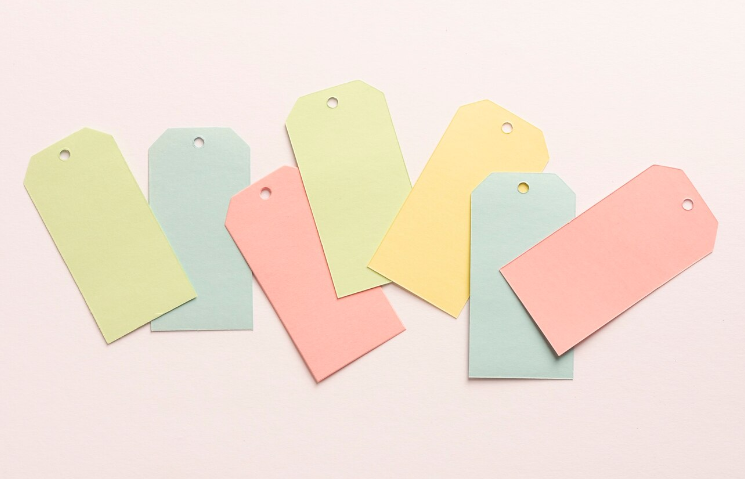
Single-sided glossy paper
Paper with a glossy finish on one side. It is mainly used to print bags, labels, tags and laminates.
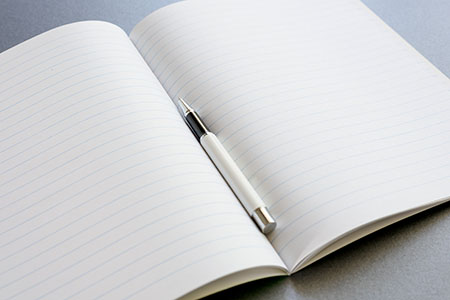
Notebook paper
Used for writing. Opaque and equally smooth on both sides, it is normally used for correspondence and to produce school notebooks, envelopes and foolscap sheets.
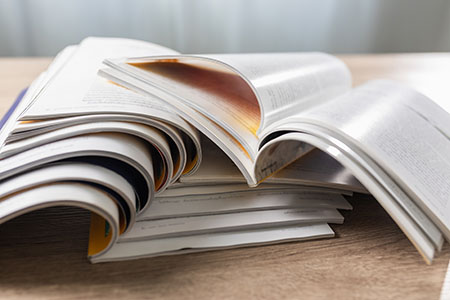
Supercalendered paper
An uncoated lightweight paper for writing and printing. It has a smooth, shiny surface obtained by pressing it between a hard, polished steel roll and a softer roll under high pressure and temperature (a process known as calendering). It is mainly used in magazines and commercial printing.
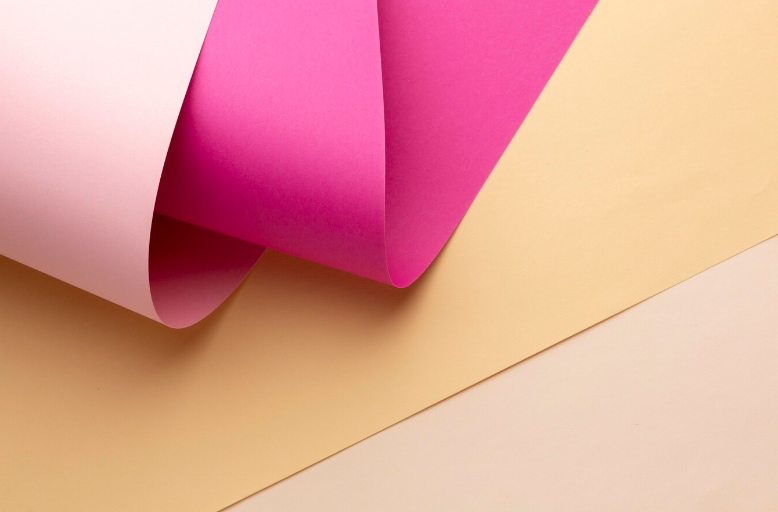
Card stock for printing
Used for printing objects like invitations, as well as file folders and business cards.

Recycled paper
According to the Brazilian ABNT NBR 15755 standard (2009), recycled paper must contain a minimum of 25% post-consumer waste and a maximum of 50% virgin fiber pulp. This type of paper normally has a natural color, the result of a mixture of different color inks and brown fibers present in the recovered paper (which is also known as scrap). This paper is used in books, magazines, promotional material (brochures, leaflets, posters, direct mail), invitations, stationery in general, bank statements, pads, notebooks, diaries, calendars and bags.
 Home
Home
