


En
En


Paper packaging is gaining more and more market share, especially within the context of increasing digitalization and concern for the environment. With sustainable attributes, visual appeal, versatility and a wide range of customization options, these packages meet the demands of an increasingly conscious consumer. Growth in online shopping and delivery services driven by the pandemic has further strengthened the presence of paper packages in homes.
One of the great advantages of paper packaging is its sustainability. Produced from trees grown for productive purposes, this packaging is easily integrated into a circular economy cycle. It is recyclable and biodegradable, and returns to nature without damage. Reverse logistics processes facilitate recycling, closing the loop and reducing environmental impact.
Paper packaging also stands out as a replacement for fossil-based packaging, offering an alternative that combines strength, function and environmental responsibility. Whether it’s boxes for shipping, bags for food products or special paper for wrapping, the possibilities are wide-ranging and cater to a variety of uses.
Paper packaging is both sustainable and highly customizable. Different printing techniques and treatments can be used to make the product more attractive and functional. In the food sector, for example, papers with specific characteristics (like resistance to moisture or oil) are used to ensure the safety and integrity of products.
In this way, paper packaging represents not just a practical choice but an alternative that helps to build a more conscious future in line with environmental needs.

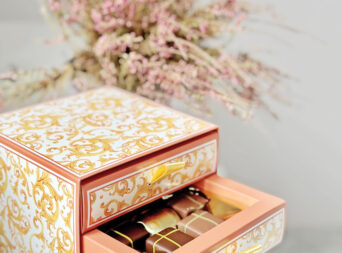
Paperboard
Paperboard packaging is ideal for products that require an attractive appearance, stiffness and good printability. They are used in cosmetics, food, medicines and premium products and offer good structure and a refined finish.





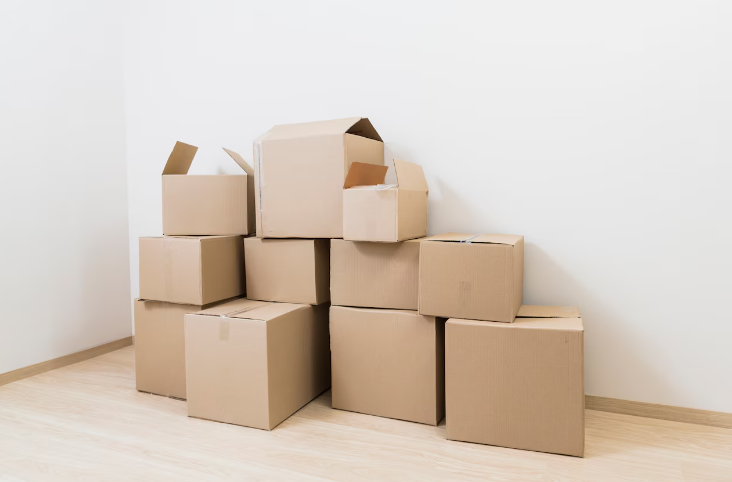
Corrugated cardboard
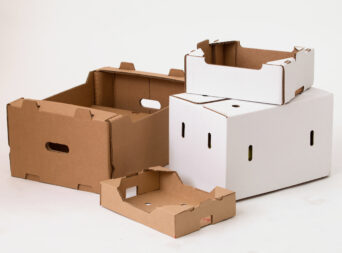
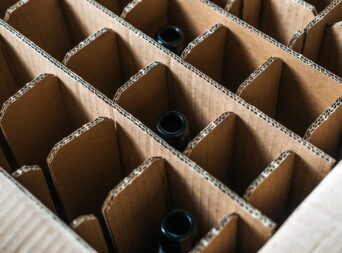
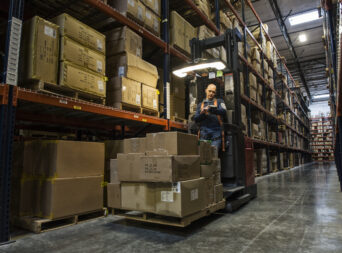
Corrugated cardboard packaging is widely used for transportation and storage, thanks to its strength and protective capacity. It is commonly used in shipping and delivery boxes.




Kraft paper
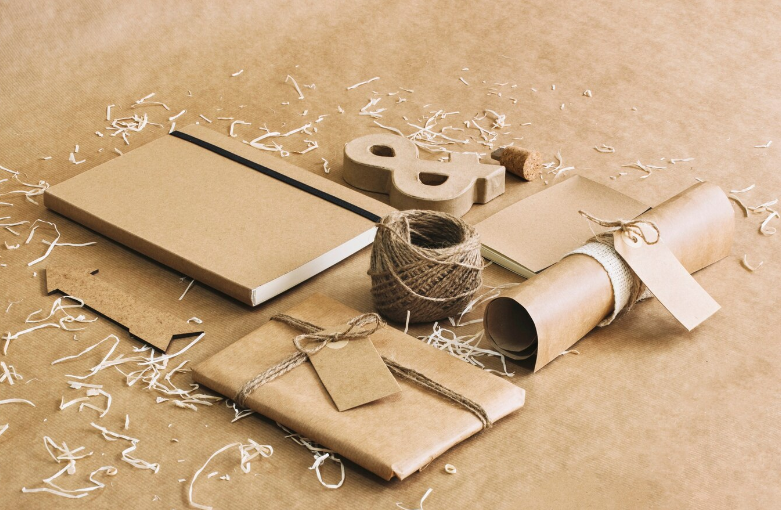
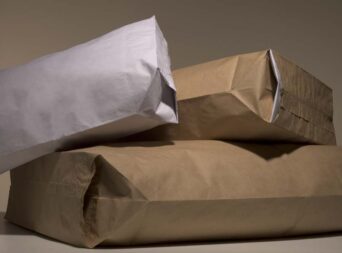
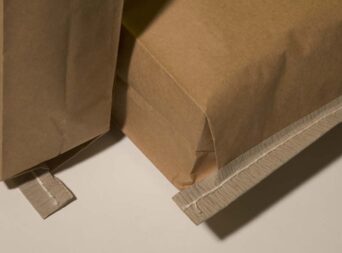
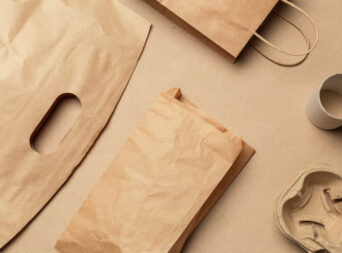
Kraft paper packaging is known for its high mechanical resistance and rustic appearance, and is widely used in bags, sacks and industrial packaging.


Lightweight packaging
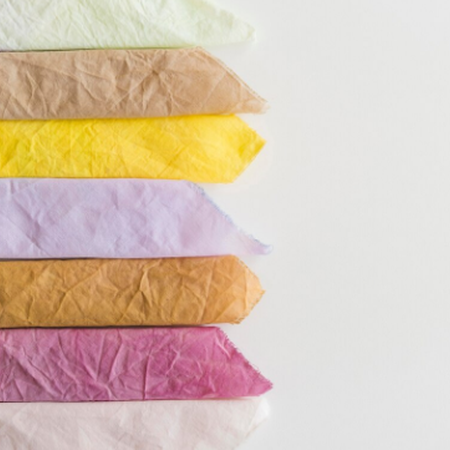
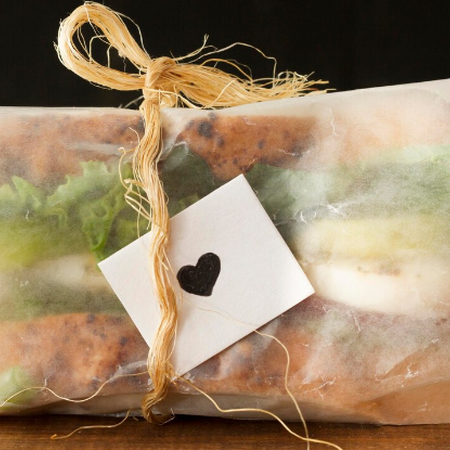
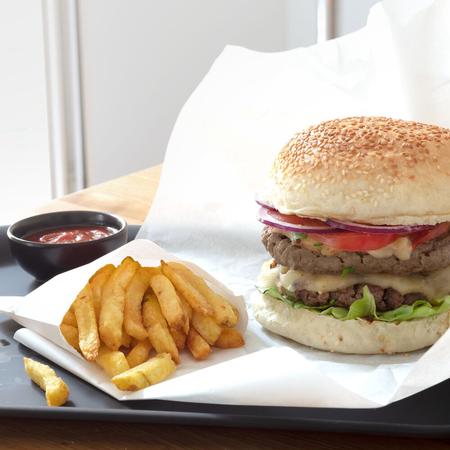
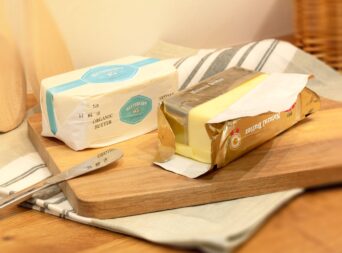
Lightweight packaging is made with thinner, more flexible papers like tissue paper, crepe paper, glassine/crystal, tracing paper, and greaseproof paper. Ideal for protecting and enhancing delicate products, they are widely used in fashion, confectionery and crafts and to wrap fruit and gifts.


Packaging with special barriers
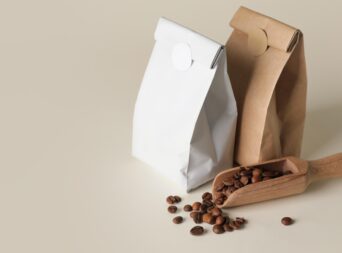
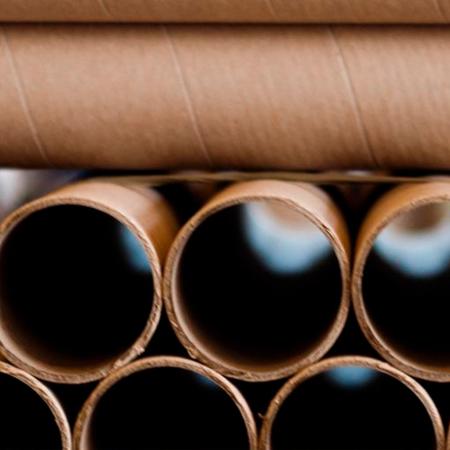
These packages are made from paper with coatings that form barriers against moisture, grease, oxygen or light, increasing protection and allowing them to be used with sensitive foods and products. They are ideal for packaging ready-made and frozen foods, oily products, coffee, snacks and even cosmetics.




 Home
Home
