


En
En
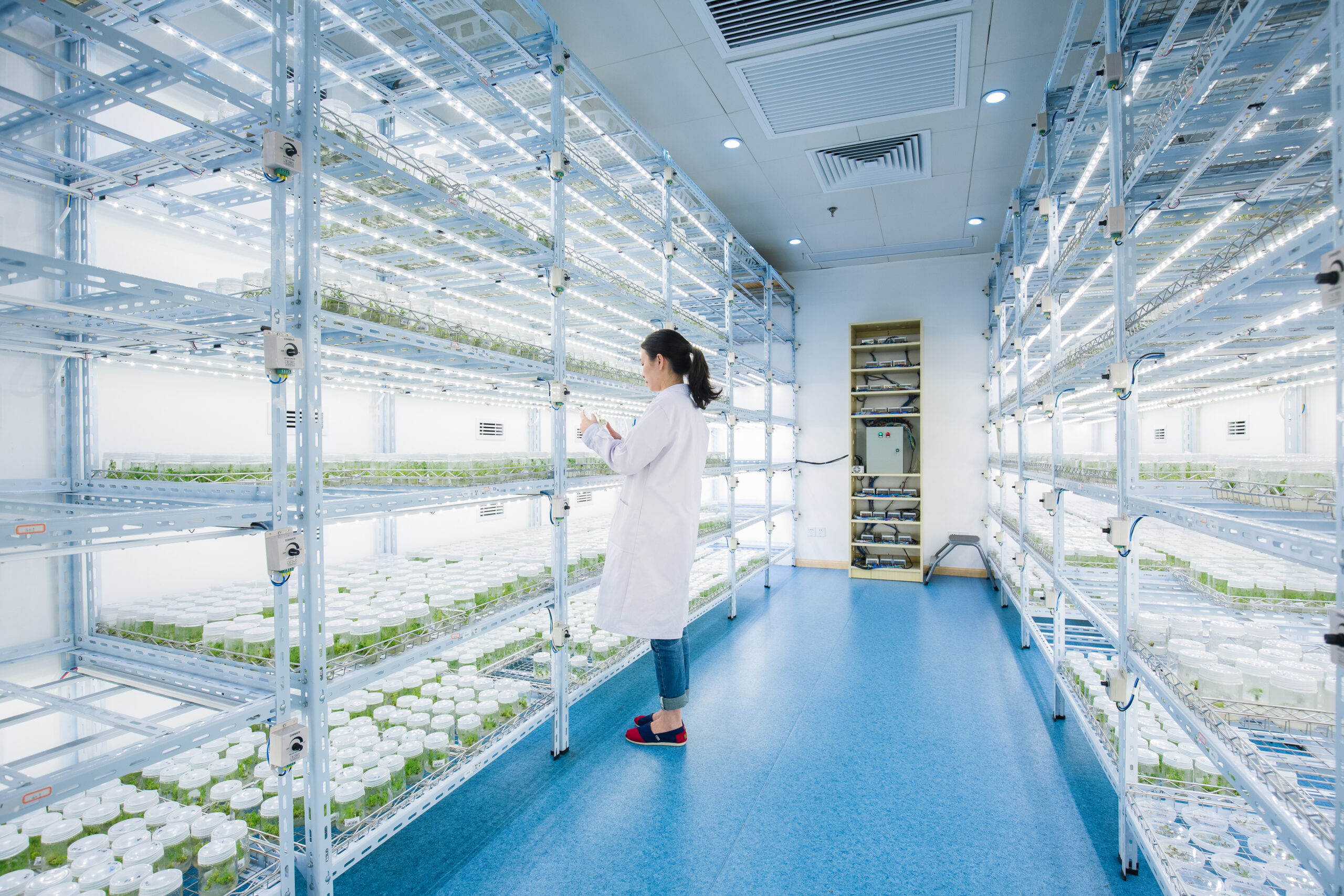
Brazil’s planted tree industry stands out for its innovation aimed at the green economy, developing solutions that directly help replace fossil-based products. With a large-scale model of the bioeconomy, the sector adopts an integrated, systemic and circular approach, from the planting of trees to post-use of its products, generating significant climate benefits.
Every day 1.8 million trees are planted, the origin of a growing variety of renewable bioproducts that include cellulose pulp, books, notebooks, clothing, pulp, paper, packaging, toilet paper, diapers, wood panels, viscose fabric and laminate flooring. These products, which are part of everyday life for all Brazilians, effectively replace those from fossil sources, providing environmental and economic advantages. In addition to traditional items like furniture and cellulose, the sector is also at the forefront of innovations in bioenergy, textiles, pharmaceuticals, cosmetics, food and many other segments, paving the way for a sustainable future.
With these innovations, technology and science, trained professionals are working together to provide solutions that combine quality with sustainability. Alternatives are being developed from planted trees that absorb and store carbon dioxide, helping to mitigate environmental and climate impacts. In this way, the planted tree industry not only meets market demands but also plays a key role in building a more sustainable and conscious future. The transformation of these materials and by-products demonstrates the enormous potential of planted trees, which are helping to build a path towards a greener and more sustainable world.

Lignin

A molecule present in 25% of tree composition, obtained from pulp and paper production. Until recently, it was a waste product burned to generate clean energy. But today it is seen as a potential substitute for petroleum, with applications in various industries such as a raw material for producing concrete, airplane components, car parts and bio-oils.


Nanocellulose
Extracted from cellulose, nanocellulose is a supermaterial with nanometric dimensions; it is very strong, as well as light and waterproof. This versatility makes it a promising solution in various sectors such as electronics, textiles and food packaging, contributing to more sustainable and efficient products.

Soluble cellulose
This type of cellulose, which is widely used to manufacture textile fibers (like viscose) and pharmaceutical products, is gaining new uses every day thanks to its purity and versatility. In addition to promoting a more sustainable textile industry, soluble cellulose stands out as a natural alternative to petroleum-based products and is being applied in a growing variety of segments, such as plastic films and other innovative products.
Microfibrillated cellulose
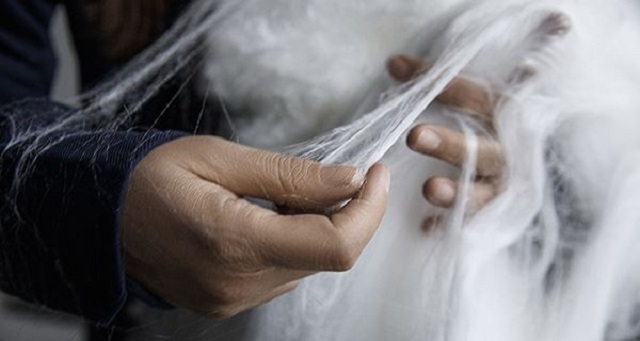
This innovation stands out for its high resistance and light weight, with applications ranging from the packaging industry to high-performance composite materials. Microfibrillated cellulose, which is obtained from cellulose pulp, helps produce fabrics that use less water and do not require aggressive chemicals, reducing carbon emissions compared to traditional fibers such as cotton.

Nanocrystalline cellulose
With its extremely rigid structure, nanocrystalline cellulose has potential in industries that require high durability, such as high-strength coatings and electronic devices (including cell phone screens). Its combination of lightness and mechanical strength makes this product ideal for a wide range of technological innovations.

Nanofibrillated cellulose
This form of cellulose made up of extremely fine fibers is used in applications that require a strong barrier against oxygen and liquids, and is widely used to manufacture biodegradable packaging and special coatings. Its ability to form transparent and resistant films offers new solutions to the food and cosmetics industry.

Bioplastics
The new generation of plastics made from renewable materials is lighter, stronger and biodegradable. These bioplastics are being incorporated into the automotive industry, with applications in car parts that offer a sustainable alternative to traditional polymers.

Second-generation ethanol
This ethanol is produced from wood waste, straw and other materials that are often discarded. This innovation is intended to transform biomass into a fuel with characteristics similar to those of regular ethanol, but more efficiently and at lower cost, contributing to a cleaner energy grid.

Tall Oil
This by-product of pulp manufacturing is versatile, with applications in coatings, disinfectants, drilling fluid additives, paper adhesives and boiler fuel.
Bio-oils
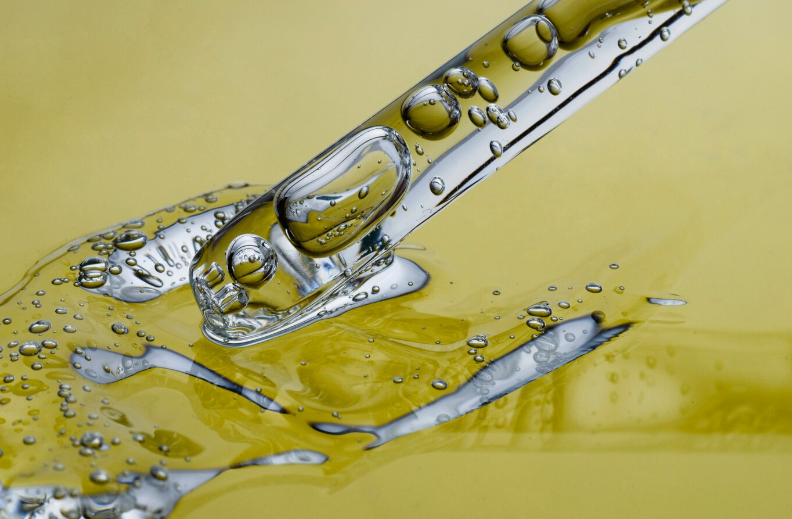
Wood heated in an oxygen-free environment generates bio-oils that can replace diesel, helping to reduce greenhouse gas emissions. This technology permits full utilization of the wood, efficient using every part of the tree.
 Home
Home
