


En
En
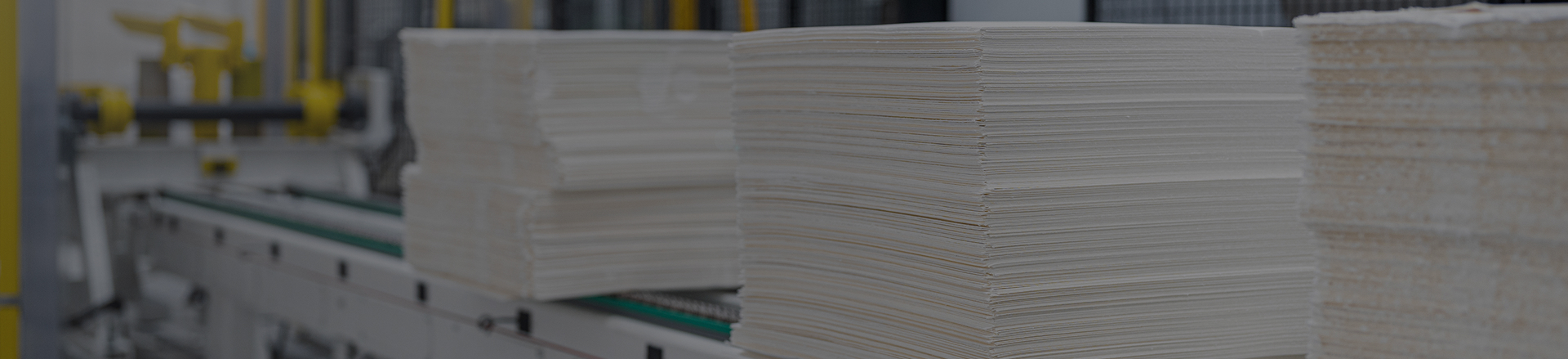

In Brazil, the two main sources of wood used for pulp production are planted pine and eucalyptus trees, which account for over 98% of the volume produced. Cellulose can also be obtained from other types of non-timber plants like bamboo, babassu palm, sisal and agricultural waste such as sugar cane bagasse.
After the trees are planted, grow and are harvested, the wood is debarked and chopped into small pieces (chips). The chips are then sorted to remove large pieces and sawdust, and then undergo mechanical and chemical processes to produce pulp.
During the first stage, the chips are cooked in a piece of equipment called a digester that uses water, chemicals, pressure and temperatures of around 150ºC. The objective is to separate the cellulose fibers from lignin, the substance that binds these fibers together, boosting the rigidity of the cell wall in plants, and which together with cellulose makes up most of the wood in trees and shrubs.
After separation, the cellulose fibers form a brown pulp which goes through a series of chemical processes and reactions in the next stage of production to purify, wash and bleach this pulp to the desired whiteness.
The pulp then follows one of two distinct paths after these processes:
The lignin is not discarded once the fibers have been separated; it passes through another process that generates energy while simultaneously recovering the chemical reagents that were used in the cooking process.


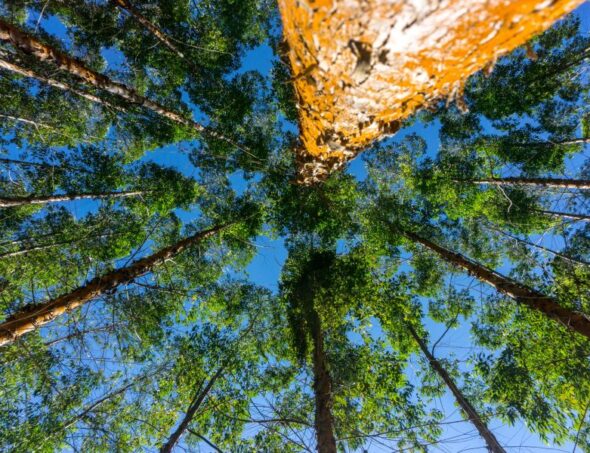
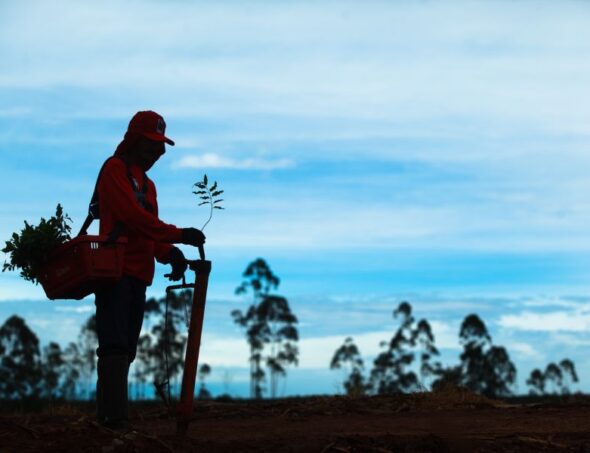
Two types of cellulose are used in paper production, each with their own physical and chemical characteristics.
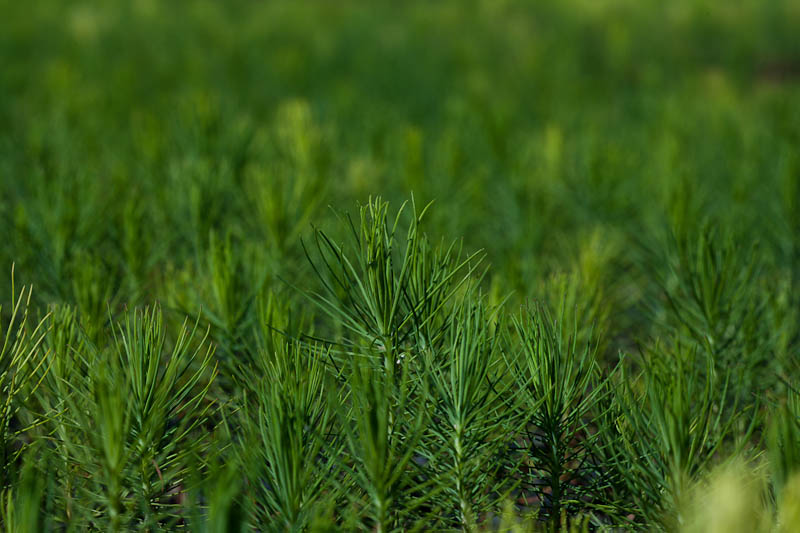
Long-fiber cellulose, which comes from coniferous species such as pine grown in Brazil, has a length of between two and five millimeters. It is used to produce paper that requires more strength and durability, such as packaging and the inner layers of cardboard, as well as newsprint. It is also used in the textile, construction and technology industries.

Short-fiber cellulose ranges in length from 0.5 to two millimeters and is mainly derived from eucalyptus. These fibers are ideal for producing printing, writing and sanitary paper (used in toilet paper, paper towels and napkins, for example). Eucalyptus fibers are also used to produce special-use papers and other items. They are less resistant, but are softer and absorbent. This type of fiber is also used in the textile and pharmaceutical industries.
Unlike other sectors of the domestic economy, the planted tree industry generates most of the energy it requires. More modern pulp mills are self-sufficient in energy and generate large amounts of surplus power for sale.
Boosting energy efficiency in processes and renewable energy generation sources are two main concerns in the planted tree sector. To this end, its manufacturers almost exclusively use waste materials from their own processes to generate thermal energy and electricity, mainly forest biomass and black liquor (a byproduct of pulp production).
Brazil is one of the largest pulp producers and exporters in the world, with China, the European Union, North America and South America as its main export destinations.
The Brazilian planted tree industry makes ongoing investments in research and development, taking advantage of the unique properties of cellulose with a focus on sustainable innovations and new applications.
As part of efforts to find renewable alternatives to petroleum derivatives, cellulose is also used to manufacture biodegradable materials and nanocellulose, solidifying its reputation as a sustainable solution and expanding the possibilities for its use.



 Home
Home
