 Home
Home


En
En
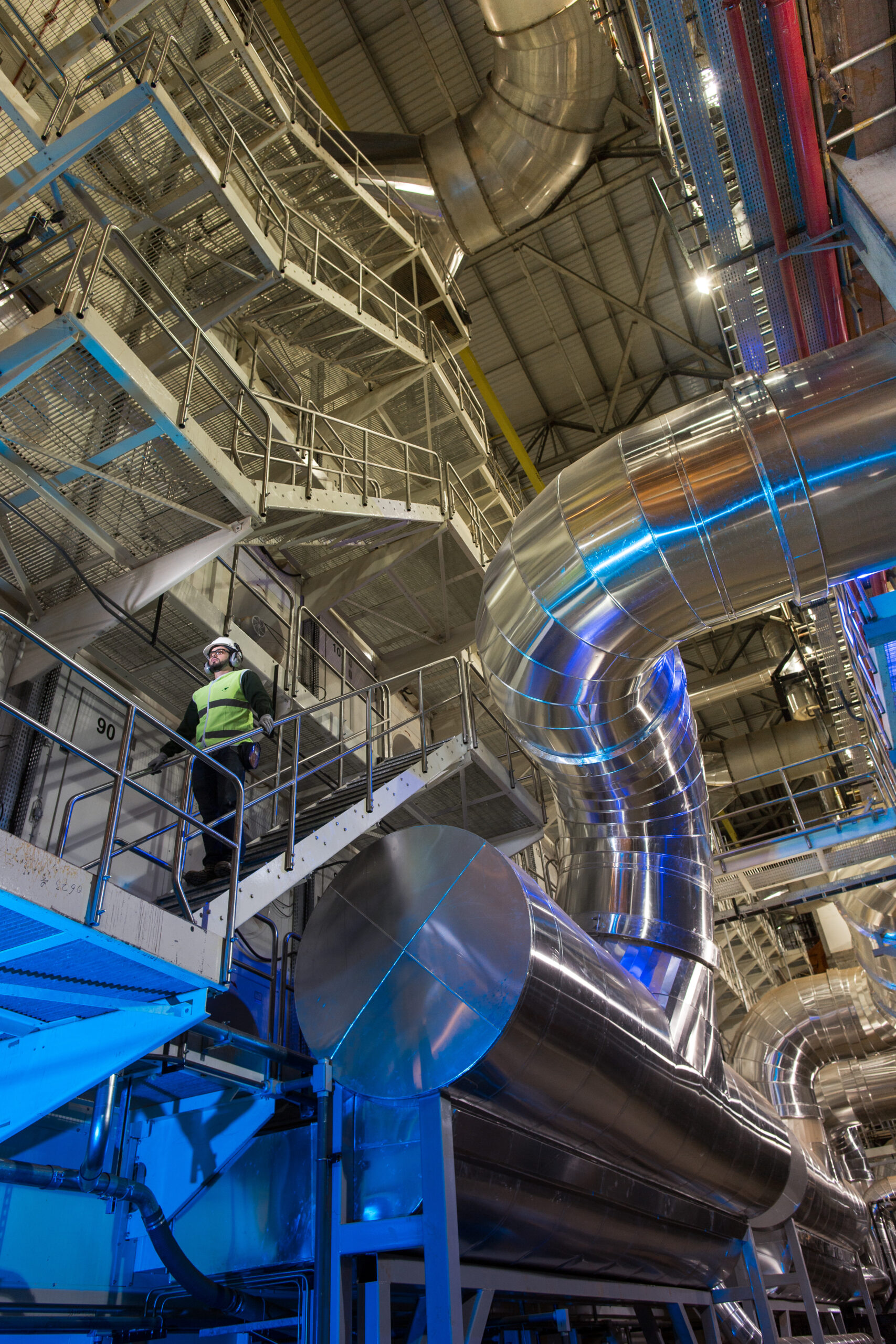
The planted tree sector is an example of how industrial production can advance with less impact on the climate. Most of the energy used by this agro-industry already comes from renewable sources, especially self-generation using biomass from planted trees. This is one differential of this sector, demonstrating that it is possible to produce with less dependence on fossil sources and more efficient use of natural resources.
Although there are still challenges related to boosting the share of energy from forest-based products in the national energy grid, they offer advantages such as continuous availability and renewable origins.
Bioenergy generated from planted trees is a renewable, versatile solution that promotes intelligent use of natural resources and demonstrates that production can be integrated with sustainability, consolidating solutions that are compatible with today’s climate challenges.
Forest-based biomass is used in various forms and applications to generate energy, as represented in the model below.
Biomass from planted trees
A raw material for energy production in the sector.
Bioenergy from planted trees stands out for its competitive advantage, since its availability is not affected by seasonal climate factors or production cycles.
Pellets and Briquettes

Firewood
Wood cut into logs for use in fireplaces, wood-burning stoves and some industrial processes.

WoodChips
Chipped wood used in factories to co-generate thermal energy and electricity.

Pellets and Briquettes
Compressed pieces of forest by-products or ground woodchips. Used in factories for co-generation of thermal energy and electricity.

Synthesis gas
Mistura gasosa rica em hidrogênio e monóxido de carbono que é obtida na gaseificação da madeira. Usado pela industria florestal nos fornos de cal e como fonte de produção de hidrogênio.

Flue gas
Produced when wood is converted into charcoal. It is used to dry wood during charcoal production and also to generate electricity.

Charcoal
The main product of carbonizing wood. Used by the steel industry, for barbecuing, and also in the chemical industry (activated charcoal, for example).

Black liquor
This coproduct of cooking chipped wood to produce cellulose is mainly composed of lignin. Used in the pulp industry to co-generate thermal energy and electricity.

Forest byproducts
Stumps, roots, bark, branches, trimmings and sawdust that result from wood processing. Used in factories for co-generation of thermal energy and electricity.

Torrefied wood
Produto intermediário entre a madeira seca e o carvão vegetal. O resultado de sua combustão adicionado a outras fontes cogera energia térmica e elétrica.

Liquid biofuels
These fuels currently in the research and development stage are produced from biomass, such as 2G ethanol and e-fuels (methanol, green diesel).
Low-carbon hydrogen (green H2)
This fuel is also a component to produce other fuels currently under study and development, and can be produced via two routes:
1:
A madeira é combustível para gerar energia elétrica renovável, usada na eletrólise da água, gerando gás de hidrogênio. A madeira é combustível para gerar energia elétrica renovável, usada na eletrólise da água, gerando no gás de hidrogênio. A madeiras é combustível para gerar energia elétrica renovável usada na eletrólise da água gerando no gás de hidrogênio
2:
Synthesis gas is refined and purified to separate the hydrogen gas.