En
En
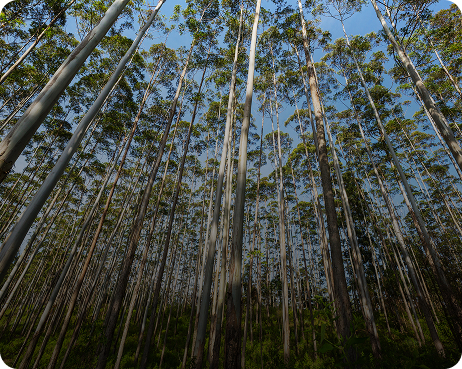
The planted tree sector stands out globally for its commitment to sustainability, based on management practices that balance production and preservation. By using raw materials obtained exclusively from cultivated areas, the sector shows that it is possible to align economic development with preservation of natural resources and social well-being, guaranteeing a sustainable future.
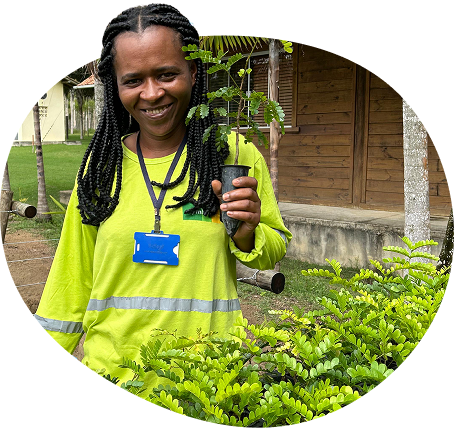
This sustainable model involves growing, harvesting and replanting in areas that are often degraded former pastures. This revitalizes the soil and makes a significant contribution to carbon capture and storage, which are essential in the fight against climate change. Carefully defining planting areas, technology like precision agriculture and genetic improvement, mechanization, integrated pest and disease management, and other good management practices are adopted.
This is true for both exotic species (such as eucalyptus, pine and teak) and native species like brazilwood (Paubrasilia echinata), jequitibá-rosa (Cariniana legalis) and Brazilian rosewood (Dalbergia negra), among other emblematic species of Brazilian flora.
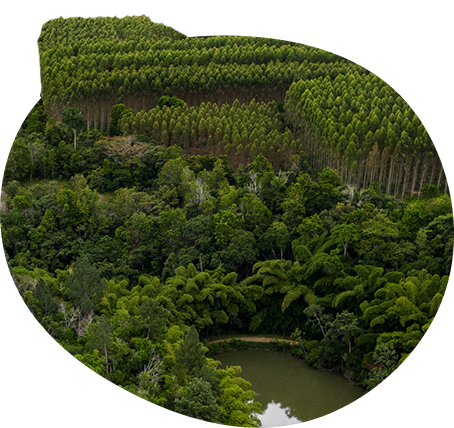
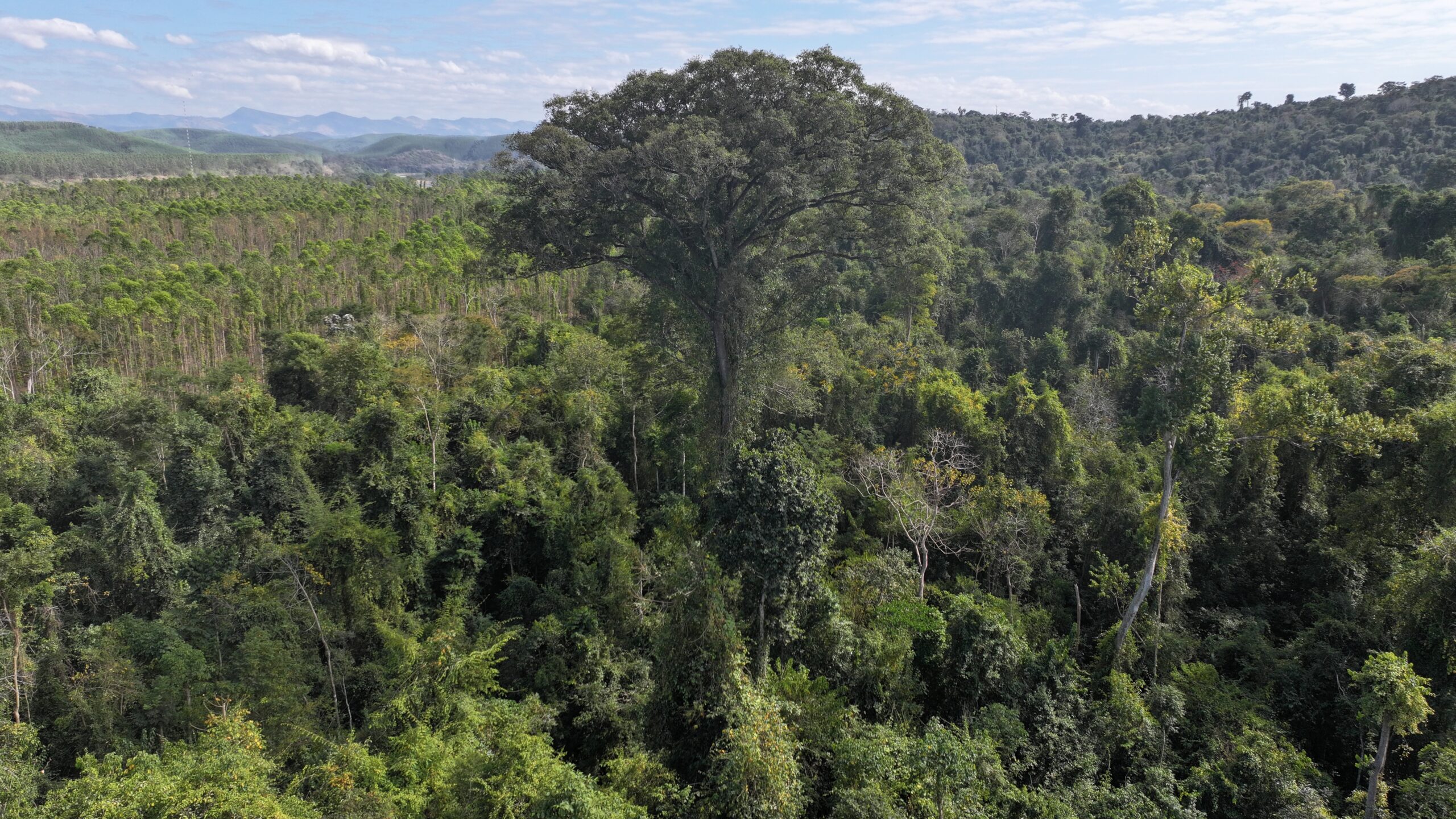
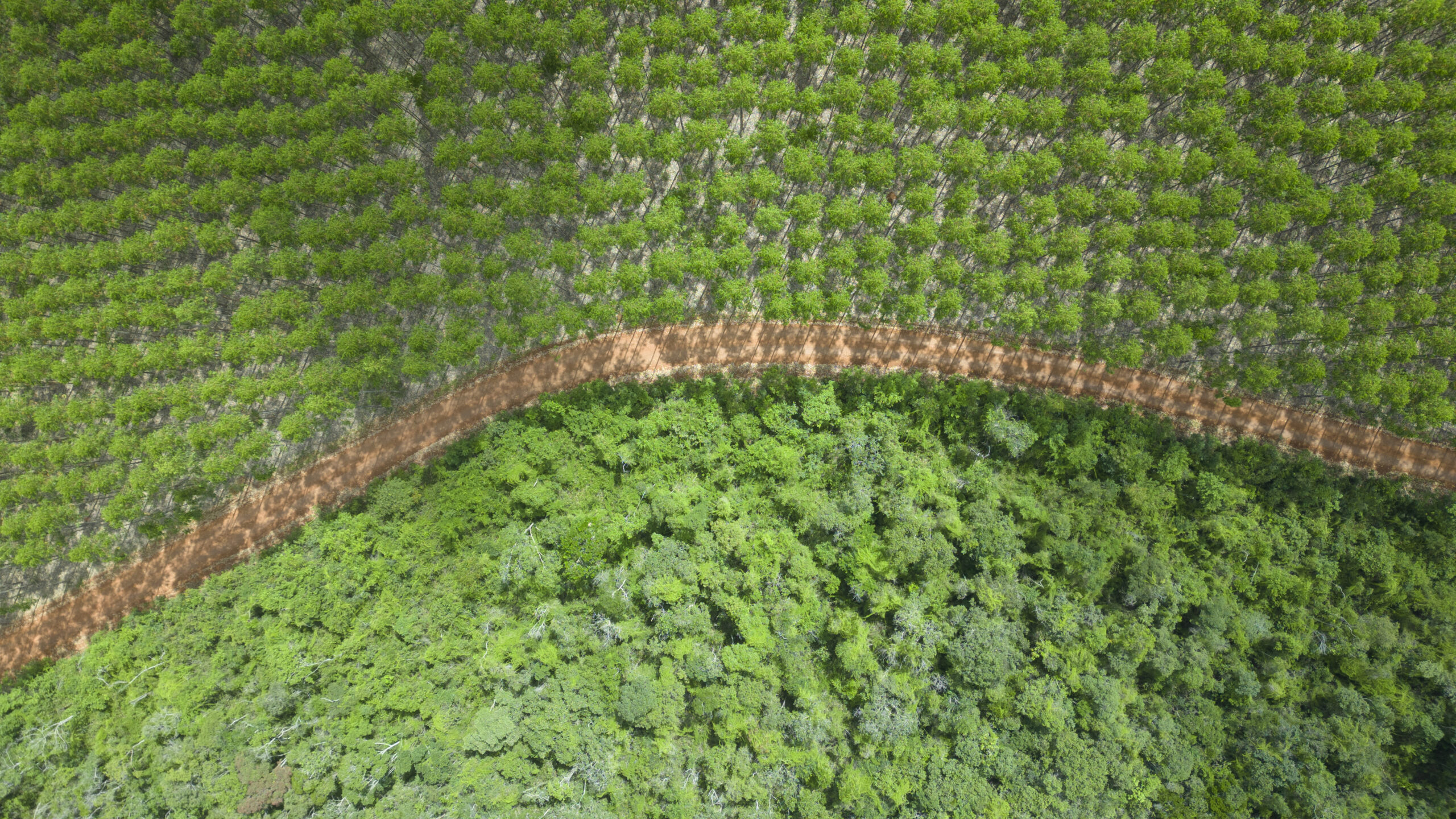
One well-established practice in forestry is mosaic planting, which intersperses production areas with conservation areas to create ecological corridors.
These mosaics promote connectivity in the landscape, provide shelter for fauna and flora, and offer multiple benefits like water regulation and soil conservation. Sustainable management practices extend beyond production efficiency: they reflect the sector’s commitment to conserving biodiversity, valuing ecosystem services and generating environmental, social and economic benefits for society as a whole.
The sector also works to diversify the origins of the wood that supplies its factories and mills, involving small-scale producers through forest partnership and outgrower programs in order to generate jobs and income and to broaden the exchange of experiences.
One example is adopting integrated crop-livestock-forest models that combine planted forests, cattle ranching and planted field crops. This strategy promotes efficient land use, recovers degraded areas and favors diversification of activities on rural properties while also creating more opportunities for work and development in communities far from large urban centers.
Sustainable management is therefore not just a necessary practice, but a vital strategy to ensure that forest production continues to benefit society, the economy and the environment in a balanced and lasting way.
The Brazilian forest sector is not only significantly committed to land use legislation (such as the Brazilian Forest Code and licensing), but also utilizes management practices that consider scale and intensity and are intended to mitigate impacts and/or promote biodiversity conservation. This strategy plays an important role in reaching Aichi Biodiversity Target 7, which describes sustainable management of agriculture, aquaculture and forestry to ensure conservation of biodiversity.

Click on the numbers below to learn more:
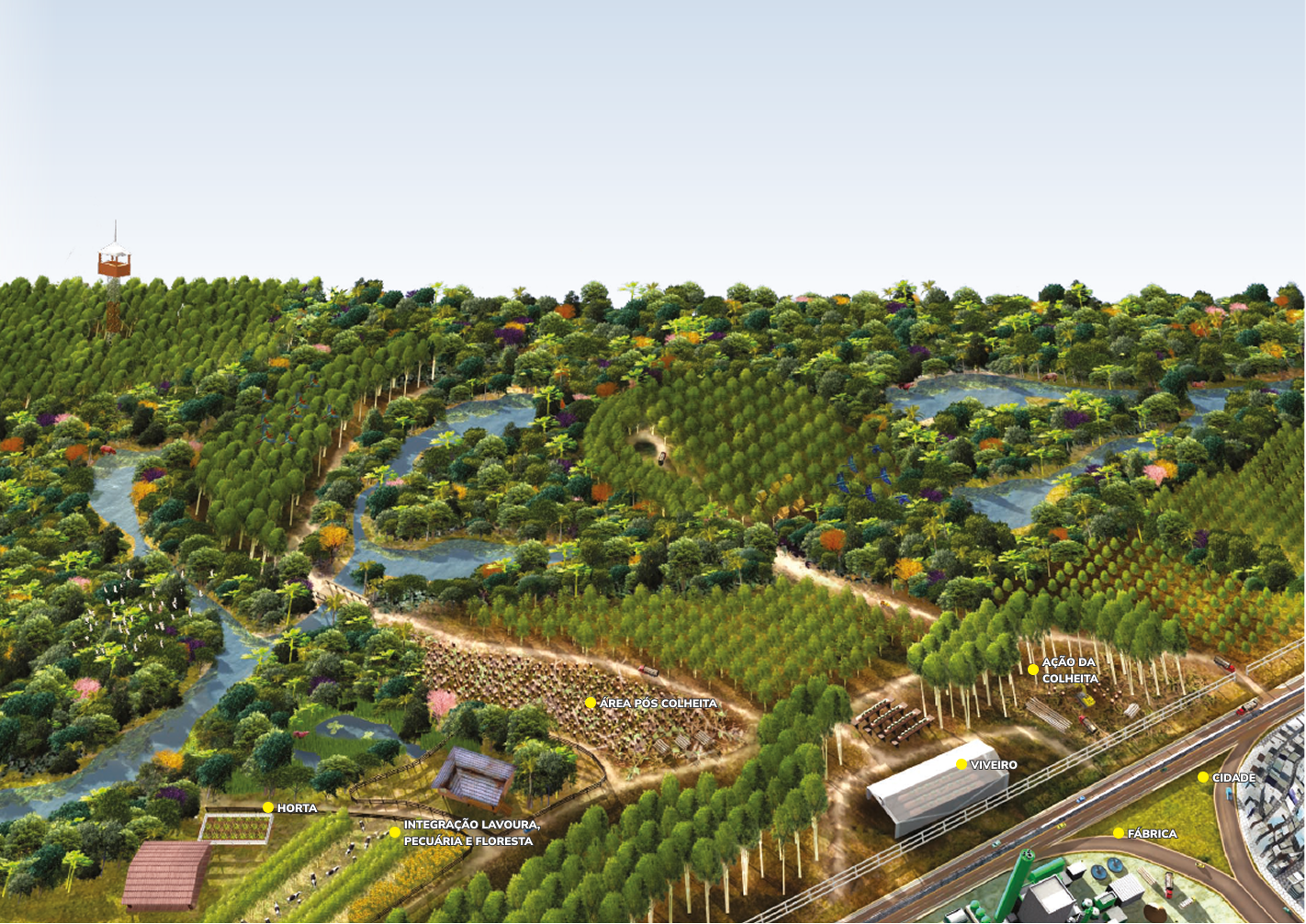

FIRE TOWER
Structure used to identify and prevent forest fires.

OUTGROWER PARTNERSHIPS
Partnerships between companies and local producers that generate employment, income, guaranteed production, and environmental regularization of properties.

ECOLOGICAL CORRIDOR
A strip of vegetation that connects two or more similar habitat blocks.

APP
As áreas de preservação permanente incluem áreas de vegetação natural às margens de cursos d’água, lagos, lagoas, nascentes, topos de morros e encostas declivosas. Tem função de preservar os recursos naturais, promover estabilidade geológica e o bem-estar do homem.
LR
A legal reserve is a part of a property where the covering vegetation must be maintained; it may be used to generate income when this is authorized by an environmental agency or established in a management plan. The size of the area varies according to the biome.

APP AND AQUATIC
BIODIVERSITY
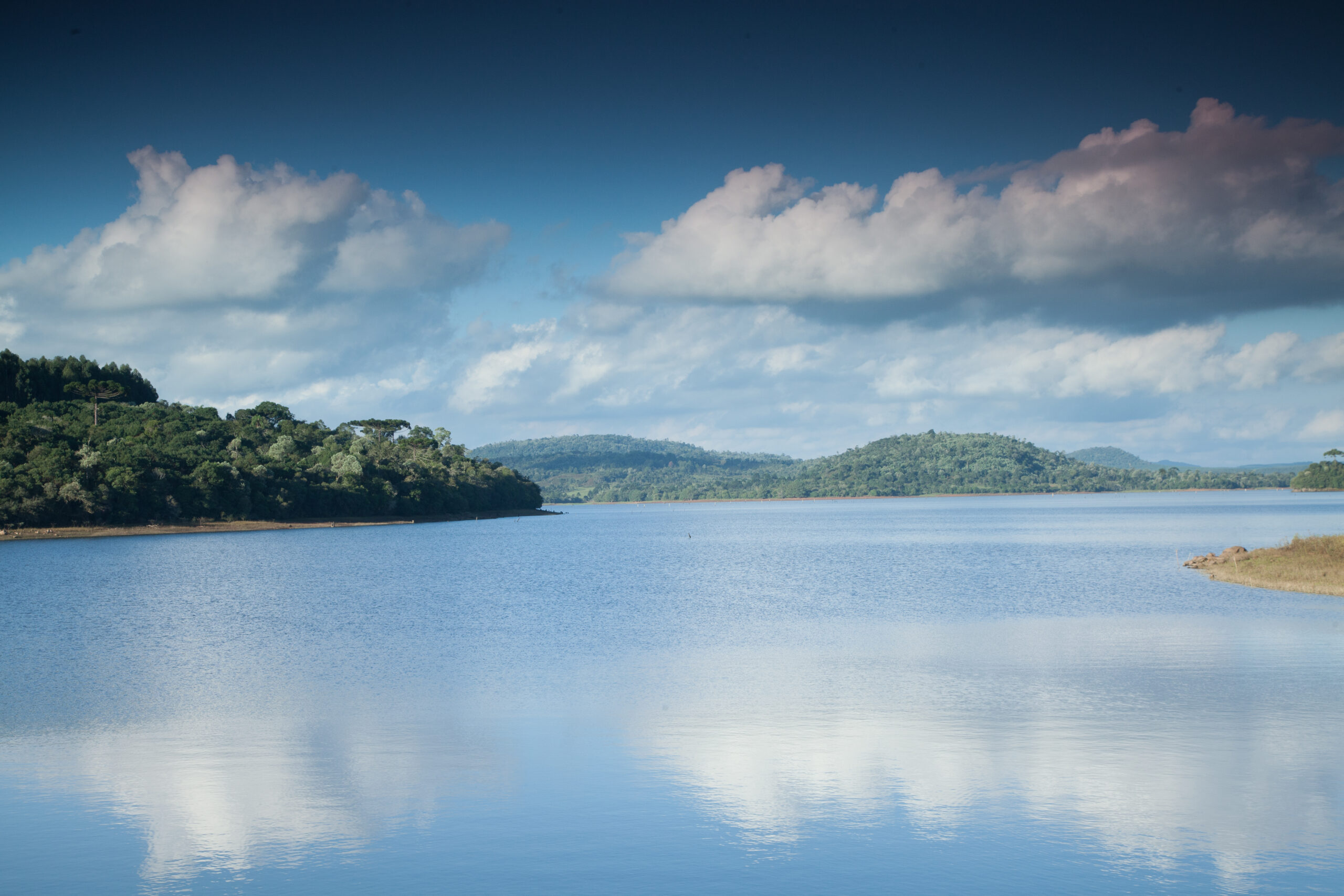
Well-preserved aquatic habitats provide habitat for fish, amphibians, and aquatic plants and are essential for preserving fauna and flora.

Harvest
Sustainable harvesting adopts practices that reduce impacts. One example is leaving residues (bark, branches and leaves) at the harvest site to enrich and conserve the soil. Harvesting is done in the direction of the natural forests, so wildlife can migrate to these areas.

ROADWAYS
Roads are planned to fulfill their function using the smallest area possible (with the least impact to the environment), but large enough to ensure the safety of operations and their users as well as to serve as firebreaks and prevent forest fires.
TURNAROUND
A tool for better land use when there is no space to build new roads or when the management plan avoids clearing new areas.

Age mosaic
To ensure heterogeneity through vertical stratification (different stages of growth); the strata have different resource requirements and serve as habitat for many types of flora and fauna that live in the same environment.
Buffer zone
These rows of the plantations are meant to supply industry and to mitigate the edge effect.
 Home
Home