


En
En
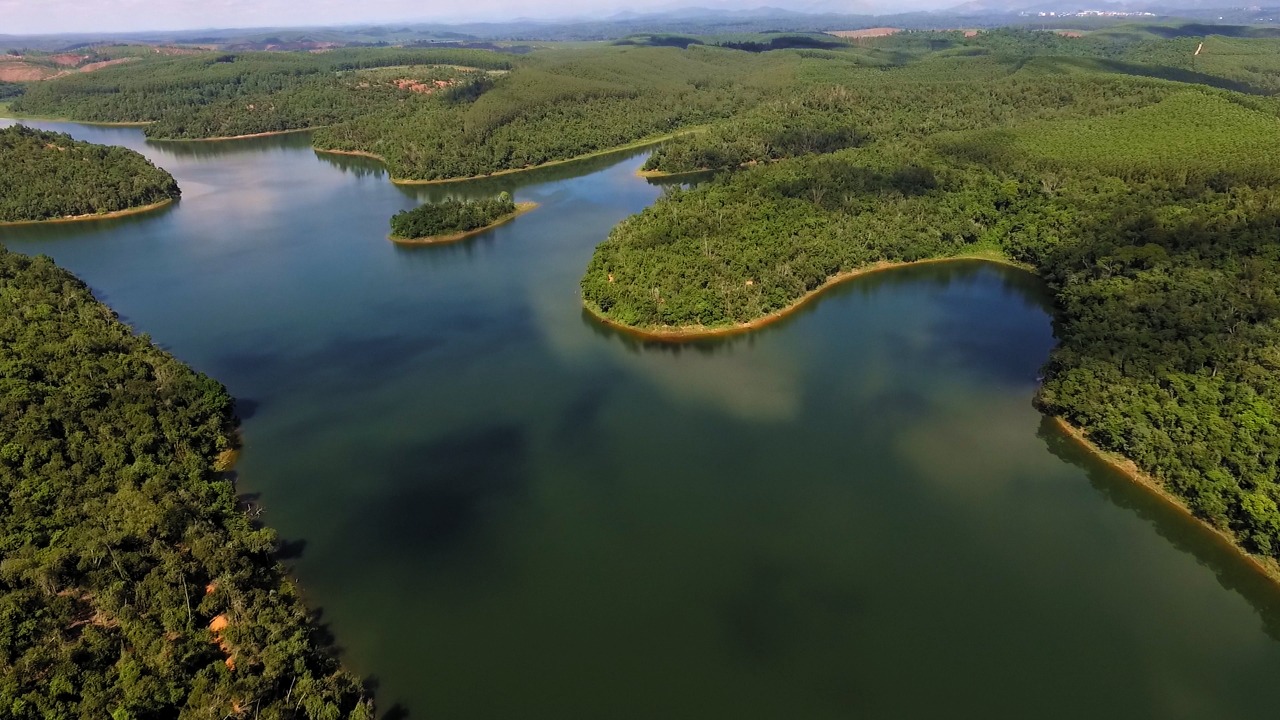
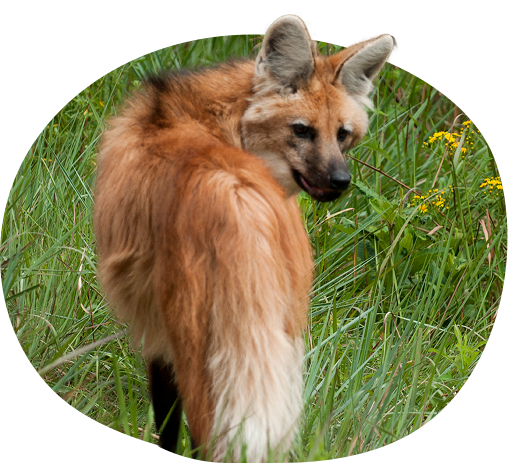
With vast expanses of Permanent Preservation Areas (APP), Legal Reserves (RL) and Private Natural Heritage Reserves (RPPN), this industry demonstrates a significant commitment to conservation. For every hectare of land that is planted, a considerable proportion is maintained in a natural state, and this sector is responsible for a significant portion of the natural habitat preserved outside conservation units in Brazil.
One well-established practice is the use of mosaic planting, which intersperses productive plantations with conservation areas to form ecological corridors This approach promotes connectivity in the landscape, offers shelter to fauna and flora, and provides various benefits that include water regulation. To maximize the effectiveness of these initiatives, it is often essential to involve neighboring communities.

Portions within these reserves may be identified as high conservation value areas (HCVA). These areas are recognized for their exceptional biological, ecological and social attributes, which are fundamental for preserving biodiversity and maintaining ecosystem services.
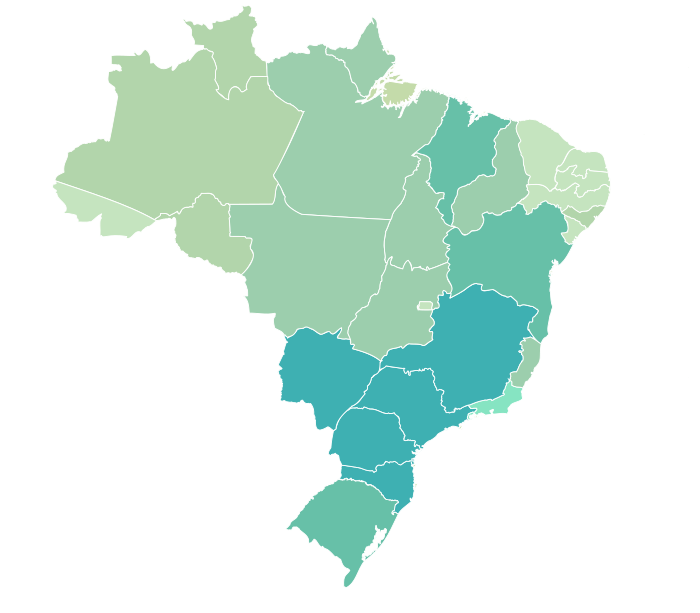
The sector also is responsible for significant expanses of land undergoing environmental recovery, mostly located in the Atlantic Forest biome, followed by the Cerrado. This shows that correct and sustainable management of forest resources makes a significant contribution to preserving the environment and strengthening conservation practices throughout Brazil.
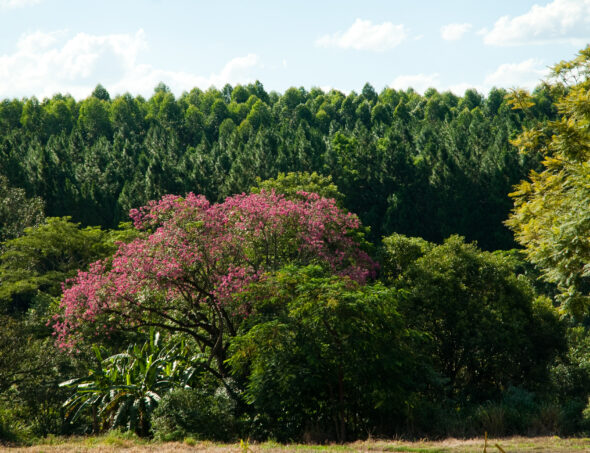
Photo: Duratex
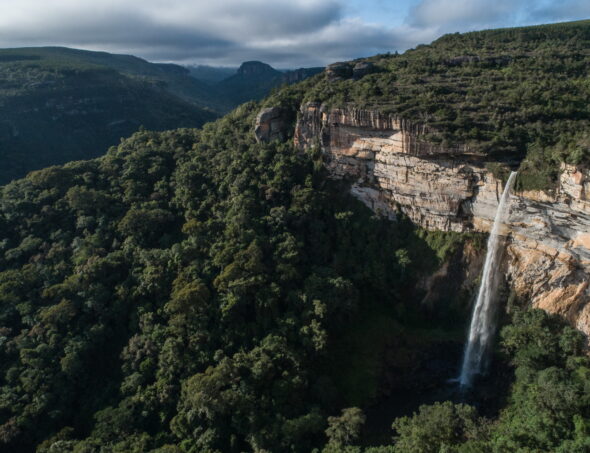
Photo: Arauco
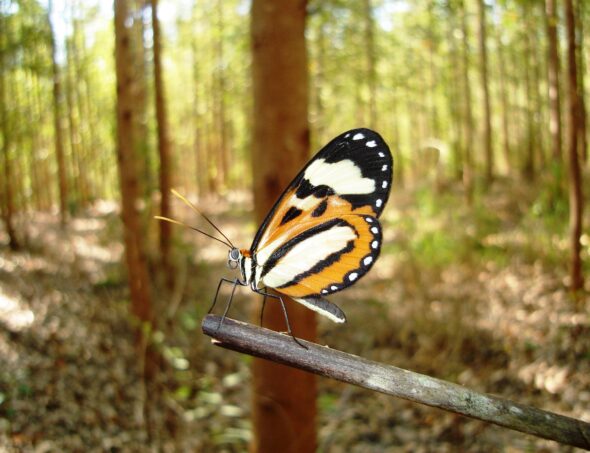
Photo: Cenibra
Photo: Arauco
Photo: Cenibra
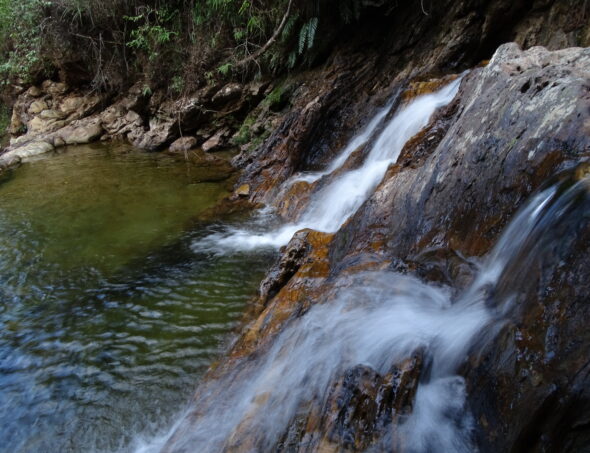
Photo: Cenibra
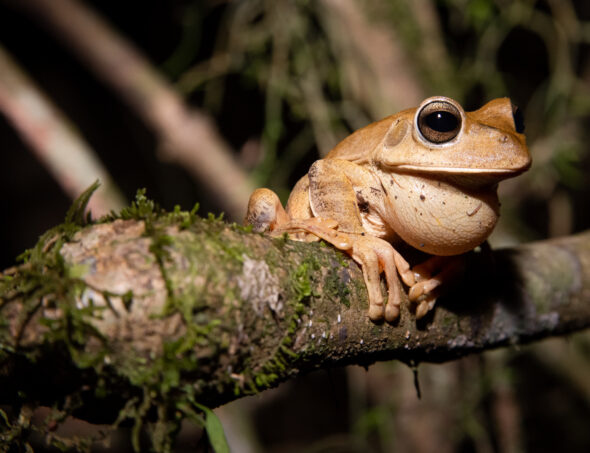
Photo: Dexco
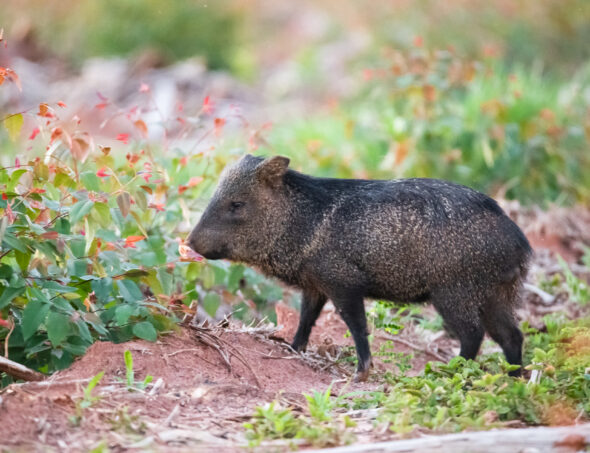
Photo: Dexco
Photo: Dexco
Photo: Dexco
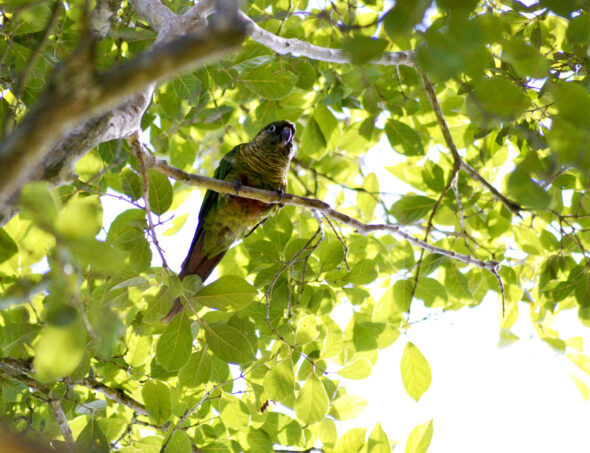
Photo: Adami
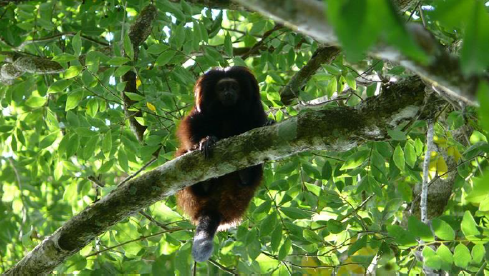
Photo: Bracell
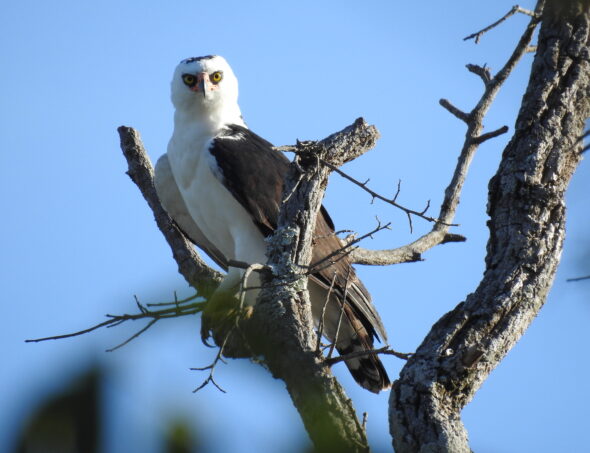
Photo: Cenibra
Photo: Bracell
Photo: Cenibra
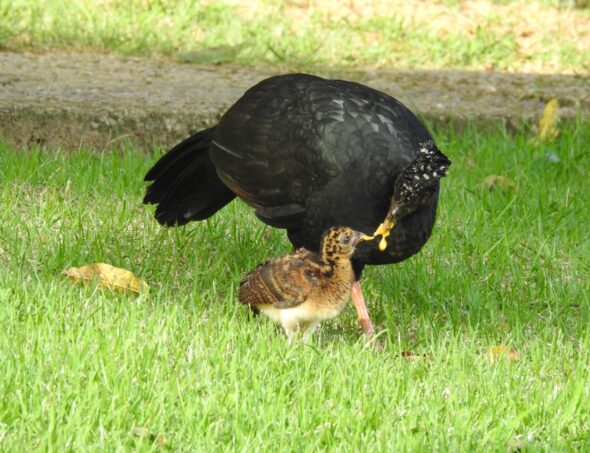
Photo: Cenibra
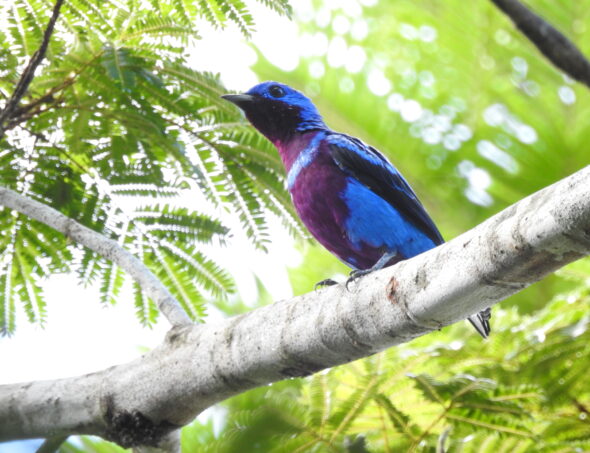
Photo: Veracel

Photo: Klabin
Photo: Veracel
Photo: Klabin
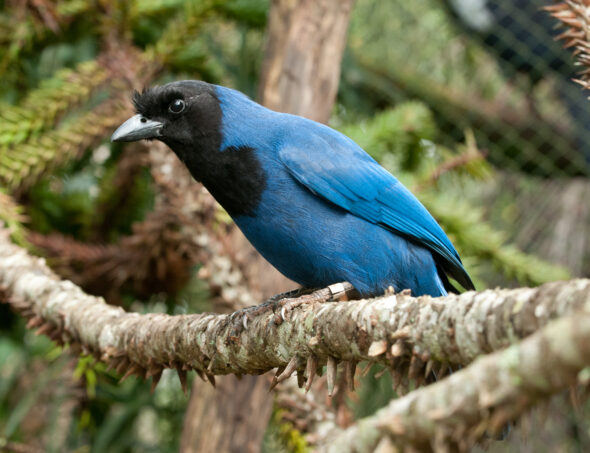
Photo: Klabin


 Home
Home
