


En
En
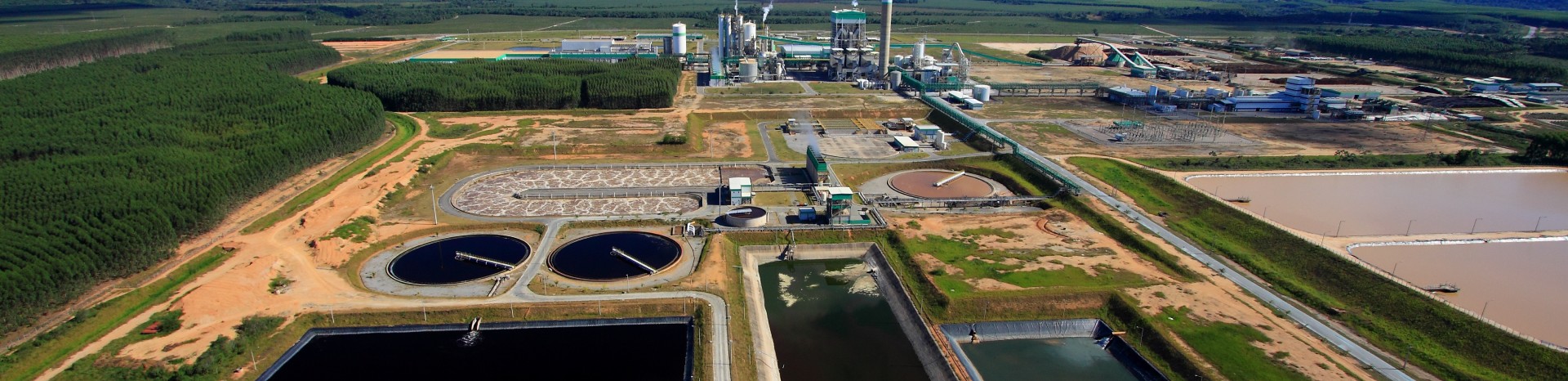
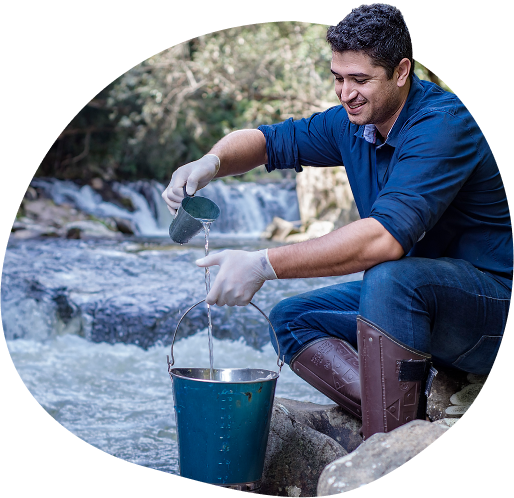
Photo: Eucatex
The sector adopts technologies and strategies to optimize the use of water in its processes, contributing to environmental conservation as well as the UN Sustainable Development Goals (SDGs) and global forestry targets.
Forest and landscape management and expanding manufacturing efficiency are practices in the sector that combine with dialog with neighboring communities to form the foundations of activities related to shared water use. Long-term availability of water is considered a strategic asset and a key element in corporate decision-making processes, and drives continuous improvement of operations in the forest as well as manufacturing.
The sector adopts and refines management practices that make water availability compatible with the demands of forests and other land uses. These practices are essential for long-term business viability and to prevent regional tensions over water use. Landscape planning that incorporates mosaic planting (which intersperses commercial plantations of different ages with natural forests) is one such strategy that contributes to water availability. Both practices are recognized by the UN as measures for adapting to climate change (UN, 2020).
Data from years of analysis and watershed monitoring also makes it possible to understand water-related conditions in the regions and how operations affect the landscape. Environmental indicators allow companies to adapt their management practices to ensure water is available for both production and the demands of society. This approach, known as adaptive management, minimizes the impacts of plantations on water resources.
Another example of protecting water availability in forests is the practice of leaving harvest waste like bark and leaves in the field. These materials form a layer that retains moisture and sediment even despite the impact of rain, ensuring the quality of surface water and soil conservation.

Although the pulp, paper, flooring and panel segments differ in terms of how they use water, they all share a commitment to rational use. Most of the water collected by manufacturers is returned to the bodies of water it came from after rigorous treatment processes at wastewater treatment plants. Some of this water also returns to the environment in the form of steam, from factory chimneys, product drying and evaporation from wastewater treatment tanks. A tiny portion also remains in the products.
The issue of water in the Brazilian forest sector has been the subject of investigation by academia and corporate research & development departments for many years. The first studies on forest hydrology date back to the early nineteenth century.
In addition to these efforts, Ibá has been monitoring water management practices in the sector since 2016, using data provided by its members. The indicators are divided into three categories: corporate, forests and manufacturing.
Awareness, management, and innovation are fundamental to ensure water is available for everyone. Responsible activities by the planted tree sector, along with the ongoing search for more efficient technologies and management that is integrated with the community, demonstrates that it is possible to align production and sustainability, preserving water resources for future generations.


 Home
Home
