


En
En
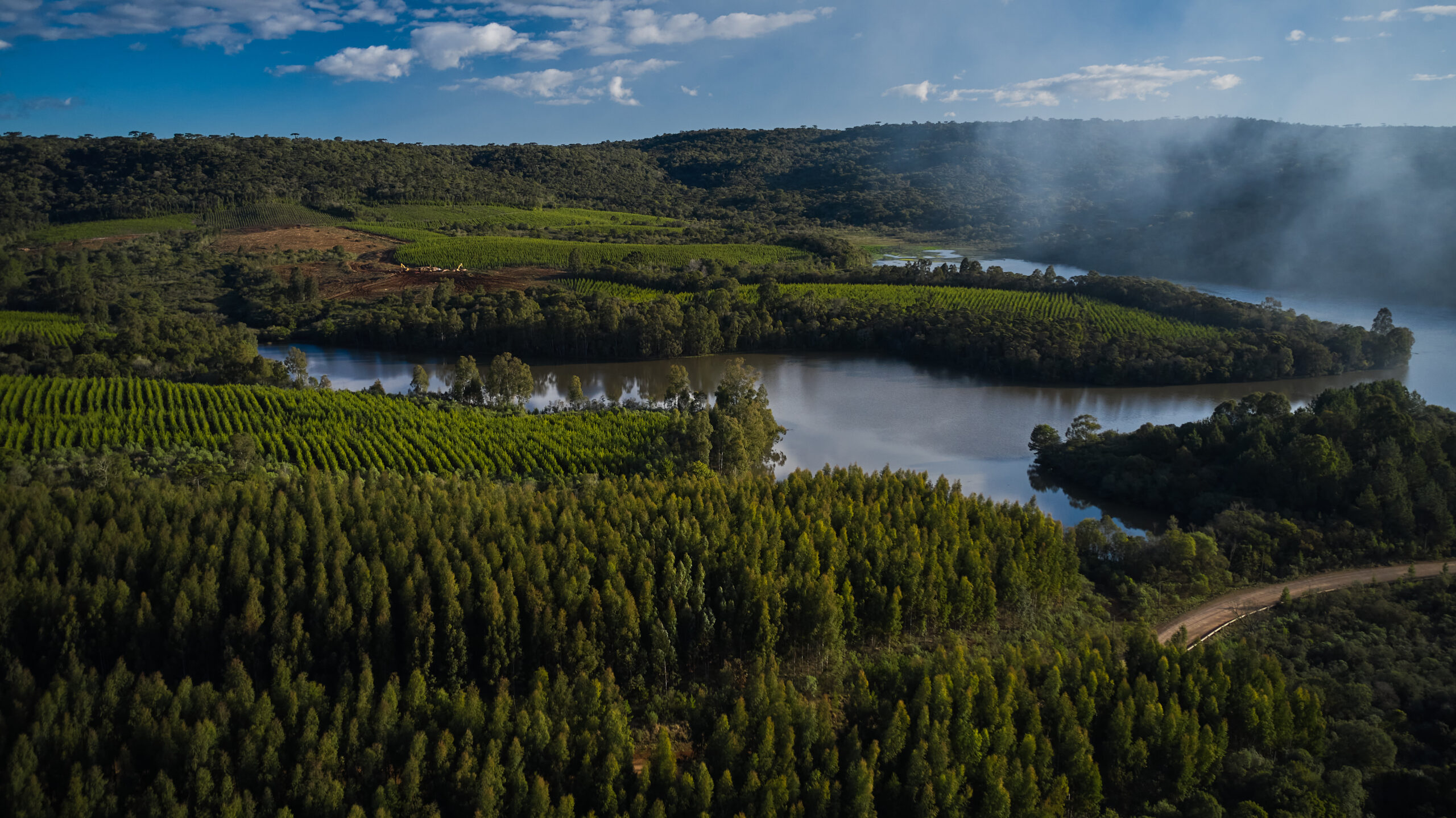

Notable activities include promoting sustainable use of natural resources and implementing new management techniques that contribute to environmental resilience and balanced ecosystems.
Trees are highly efficient at converting carbon into biomass. They serve as important agents of carbon sequestration and storage, removing CO₂ from the atmosphere and making major contributions to stocked carbon throughout their growth cycles. This includes both plantations as well as preserved areas of natural forest. Planted forests offer enormous potential in helping to mitigate climate change.
This industry is also always looking for new ways to decarbonize production and transport processes. As they work to improve their climate-related performance, companies in the sector carefully map stages in these processes that can be optimized to reduce both emissions and fossil fuel use.
The planted tree industry operates within an integrative, systemic, and circular philosophy that spans from the growing tree to after end products are used, creating a range of benefits for the climate. The sector plants, harvests, and replants trees for industrial purposes, and is currently expanding into degraded areas and low-productivity pastures. It plants 1.8 million trees per day, which remove and store carbon from the atmosphere. Through these activities it restores areas, offering a new vocation with benefits for the climate and sustainable management that delivers positive impacts for the environment and shared value for society.
This sector is fundamental for Brazil to reach its climate goals set in the Paris Agreement.

RESTORING DEGRADED AREAS

CARBON REMOVAL BY PLANTED AND NATIVE FORESTS

EMISSIONS AVOIDED BY USING RENEWABLE SOURCES

EXPANDING CONSERVATION AND PRESERVATION AREAS
New factories are designed to use as little fossil fuels as possible, instead utilizing alternative and renewable energy sources like biomass in their boilers and lime kilns.
Existing mills are also investing in gasification of forest biomass to produce synthesis gas, which is used to provide energy for lime kilns. Lime kilns are traditionally powered with natural gas or other fossil fuels, and play a key role in the treatment and reuse of by-products from pulp manufacturing, making the production process more circular.
Bioenergy generated from black liquor, a co-product of wood cooking to produce cellulose pulp, is already a reality in the sector. Today, 87% of the energy consumed by this industry comes from renewable sources.
As industrial processes tend to become less polluting and increasingly circular, new investments are being made to transform the ash that results from the cellulose production process into fertilizer.
Circularity and the pursuit of zero landfill waste are adopted in approximately 54% of the sector’s companies. These initiatives work to stop sending waste to landfills, promoting more sustainable waste management practices. Several companies also have projects to reduce their logistics emissions, in both internal transport as well as outbound shipping for products such as pulp, paper, and wood panels.
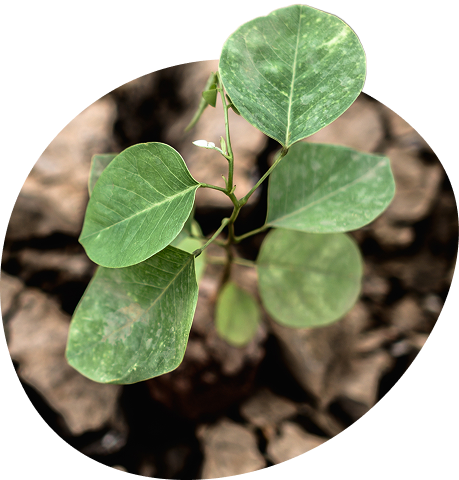
The sector’s circular model is based on principles of sustainability and efficiency in order to minimize waste and maximize reuse of resources. It incorporates various practices such as circularity, bioenergy, bioproducts and the bioeconomy.
The sector is constantly investing in innovation and cutting-edge technology. These advances put the industry at the forefront of industrial decarbonization, and generate sustainable solutions to replace products and inputs derived from fossil fuels.
In practice, this demonstrates that sustainable management of planted forests makes the preservation of large areas of native forests possible, reinforcing the strategic role of forest production in the climate agenda and in environmental conservation. Producing and preserving are two complementary dimensions of the same low-carbon agenda.
In this way, the planted tree sector offers a series of climate benefits that include carbon removal and sequestering by commercial plantations and native forests, avoiding emissions through the use of renewable sources and carbon storage in wood-based products. These benefits position the sector as a key player in decarbonization and the fight against climate change.

 Home
Home
