


En
En
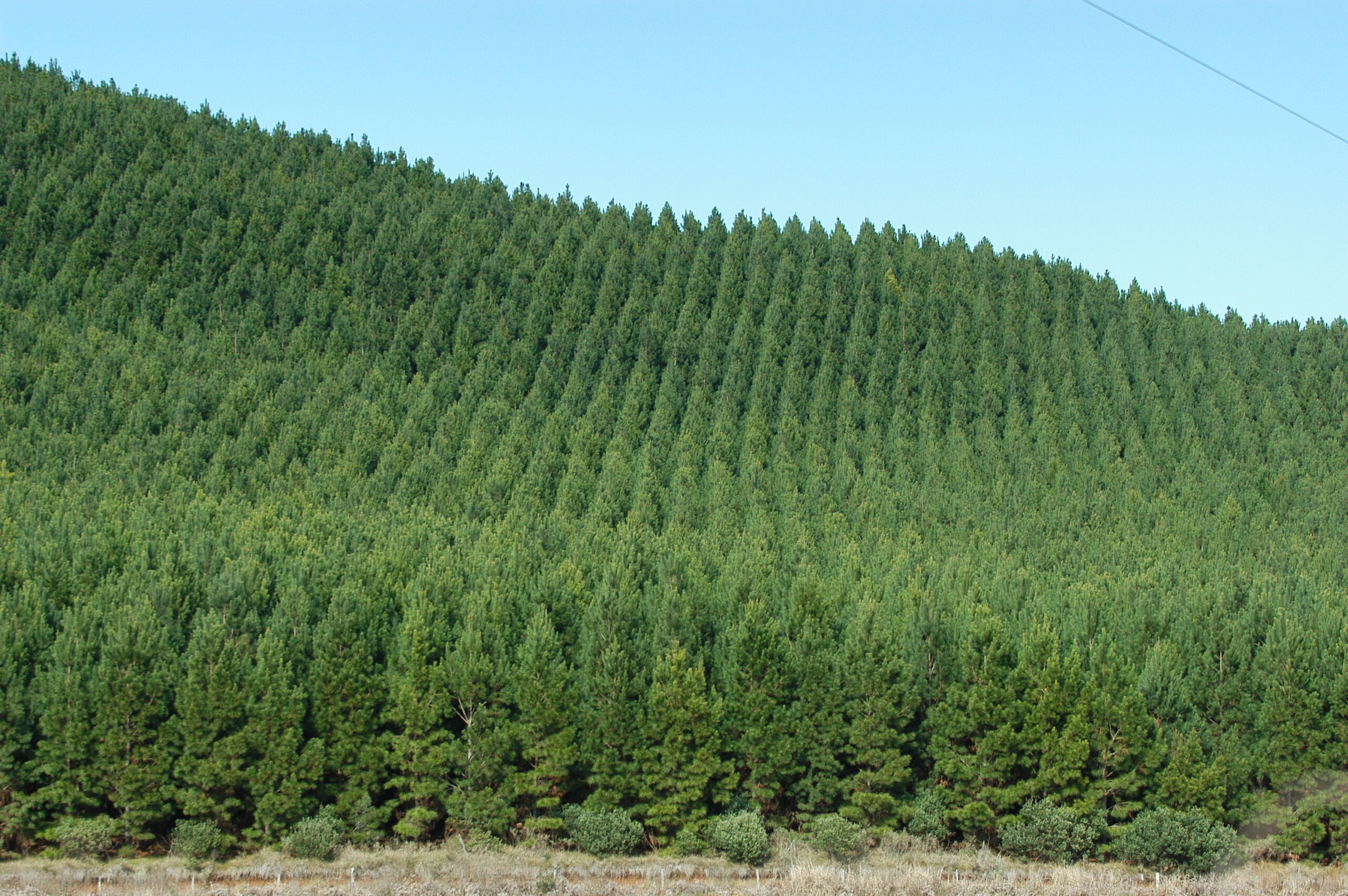
Trees grown for industrial purposes are a renewable and versatile source, offering a wide range of products that serve as alternatives to fossil-based materials. In addition to traditional uses like paper and furniture, they can be transformed into innovative solutions such as biodegradable plastics, medications, sustainable fabrics and even biofuels, all of which help reduce dependence on non-renewable resources and promote a more sustainable future.
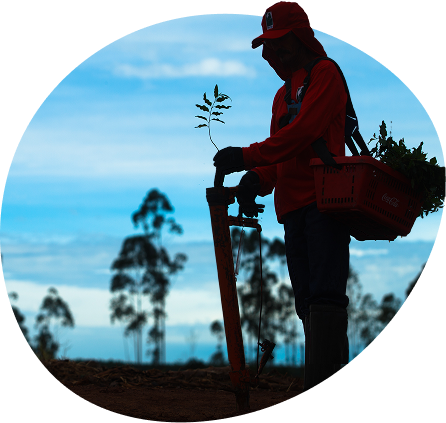
At the same time, these plantations represent a strategic opportunity to strengthen the country’s bioeconomy, generating jobs, income, social and economic development while also contributing to environmental conservation.
The trees are grown using sustainable management practices. One well-established practice is the use of mosaic planting, which intersperses productive plantations with conservation areas to form ecological corridors These corridors connect the landscape, provide shelter for fauna and flora and offer many benefits for conservation of soil and water, such as regulating water flows.
The planted tree sector is real proof that it is possible to produce as well as preserve.

Planted areas

Preserved areas

Biodiversity

 10.71 MILLION
 Minas Gerais
Mato Grosso do Sul
São Paulo
Paraná
Santa Catarina
Rio Grande do Sul
Bahia
Maranhão
Espírito Santo
Mato Grosso
Minas Gerais
2.2 MILLION Eucalyptus
Pine
Others
Mato Grosso do Sul
1.7 MILLION Eucalyptus
Pine
Others
São Paulo
1.2 MILLION Eucalyptus
Pine
Others
Paraná
1.1 MILLION Eucalyptus
Pine
Others
Santa Catarina
1.03 MILLION Eucalyptus
Pine
Others
Rio Grande do Sul
980 THOUSAND Eucalyptus
Pine
Others
Bahia
664 THOUSAND Eucalyptus
Pine
Others
Maranhão
308 THOUSAND Eucalyptus
Pine
Others
Espírito Santo
276 THOUSAND Eucalyptus
Pine
Others
Mato Grosso
253 THOUSAND Eucalyptus
Pine
Others
Pará
204 THOUSAND Eucalyptus
Pine
Others
Goiás
170 THOUSAND Eucalyptus
Pine
Others
Tocantins
104 THOUSAND Eucalyptus
Pine
Others
Amapá
87 THOUSAND Eucalyptus
Pine
Others
Piauí
35 THOUSAND Eucalyptus
Pine
Others
Rio de Janeiro
28 THOUSAND Eucalyptus
Pine
Others
Roraima
21 THOUSAND Eucalyptus
Pine
Others
Alagoas
19 THOUSAND Eucalyptus
Pine
Others
Rondônia
12 THOUSAND Eucalyptus
Pine
Others
Sergipe
4 THOUSAND Eucalyptus
Pine
Others
Pernambuco
1.2 THOUSAND Eucalyptus
Pine
Others
Ceará
859
Eucalyptus
Pine
Others
Amazonas
417
Eucalyptus
Pine
Others
Acre
771
Eucalyptus
Pine
Others
Paraíba
177
Eucalyptus
Pine
Others
Rio Grande do Norte
44
Eucalyptus
Pine
Others
To reach our homes in this form, trees are planted, harvested, and replanted, often in previously degraded areas, following sustainable management plans. After harvesting, the wood is taken to factories that transform the raw material into an industrialized product—which can be cellulose, used as a raw material for various other products, or the final product, in the case of laminate flooring or wood paneling.

 Home
Home
