


En
En
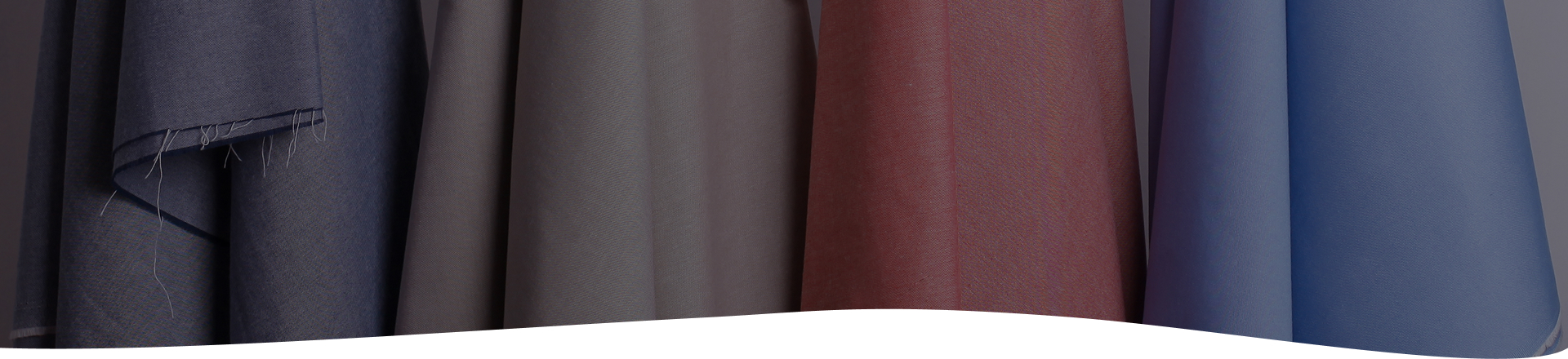

Derived from trees planted for production purposes, cellulose fibers play an important role in the production of bioproducts in various segments. One of these is the textile industry, which the cultivated tree sector contributes to via the production of sustainable fabrics.
Today there are three generations of cellulose fibers: viscose, modal and lyocell. These fibers are already produced on a large scale in a controlled and sustainable manner from cellulose pulp obtained from planted trees. At the same time, research continues into the development of new routes and applications using cellulose.
The process to produce fabrics from these fibers begins with harvesting the wood, which is taken to specialized factories. There, the wood is transformed into cellulose pulp using a method that separates the cellulose from the other components of the wood. The cellulose is then dissolved and extruded to form filaments that are solidified and stretched, resulting in threads that are ready for weaving into fabric.
These fibers stand out for their unique properties such as softness, breathability and excellent capacity to absorb dyes, which make them ideal for use in clothing and other textile products.
The commitment to sustainability permeates every stage of the production process. The sector’s plantations are certified by rigorous international seals that attest to sustainable management in these areas, preserving the soil, water resources and local biodiversity. Factories in the sector are increasingly adopting advanced technologies involving green production, recycling water and reusing waste and by-products, as well as developing practices like the use of clean energy sources to minimize carbon emissions. All these measures help mitigate climate change.
By choosing a garment made with cellulose fiber, you are opting for a product that originates in eucalyptus and pine plantations and is part of an innovative and responsible process. This connection with nature and respect for the environment highlights the fundamental role of Brazil’s planted tree industry in offering high quality products that respect our planet.
 Home
Home
